Bucket Elevator Problems and Solutions: Reduce Downtime and Improve Performance
Bucket elevators are among the most reliable systems for vertical bulk material handling. They are widely used in industries such as cement, food processing, grains, fertilizers, chemicals, mining, power plants, pharmaceuticals, and packaging. When properly designed and maintained, they can operate efficiently for years with minimal downtime.
However, even the best bucket elevator can develop performance issues if installation, operation, or maintenance is neglected. Problems such as material spillage, bucket damage, belt misalignment, excessive vibration, chain elongation, or poor discharge not only reduce productivity but can also increase maintenance costs and shorten equipment life.
This guide explains the most common bucket elevator problems, their root causes, practical solutions, and preventive maintenance practices to help your equipment operate at peak efficiency.
If you're planning a new installation, explore our Bucket Elevator Manufacturer in India page:
https://www.neoconveyors.com/products/bucket-elevator-manufacturers-india
Why Do Bucket Elevator Problems Occur?
Most bucket elevator failures are not caused by the equipment itself. They usually result from one or more of the following:
- Incorrect equipment selection
- Improper bucket spacing
- Overloading
- Poor material characteristics assessment
- Misaligned pulleys or sprockets
- Belt or chain wear
- Lack of preventive maintenance
- Inadequate lubrication
- Incorrect operating speed
- Delayed replacement of worn components
Identifying the root cause early helps prevent expensive repairs and unplanned shutdowns.
1. Bucket Elevator Belt Misalignment
One of the most common issues is belt tracking away from the centerline. A misaligned belt can rub against the casing, damage buckets, and eventually fail.
Common Causes
- Improper pulley alignment
- Uneven belt tension
- Worn lagging
- Material build-up
- Bent shafts
- Poor installation
Warning Signs
- Belt rubbing against casing
- Edge wear
- Increased noise
- Frequent emergency stops
- Damaged buckets
Solution
- Check pulley alignment
- Adjust belt tension evenly
- Clean material deposits
- Replace worn pulleys
- Install belt tracking devices where required
2. Bucket Damage or Breakage
Buckets experience continuous impact during loading and discharge. Damaged buckets reduce conveying capacity and increase product loss.
Causes
- Excessive feed rate
- Impact from oversized material
- Incorrect bucket material selection
- Loose mounting bolts
- Corrosion
- Fatigue after long-term operation
Solution
- Use heavy-duty buckets suitable for the material
- Replace damaged buckets immediately
- Tighten mounting hardware regularly
- Avoid oversized lumps beyond design limits
- Inspect for corrosion periodically
3. Material Spillage
Material escaping inside or outside the elevator increases housekeeping costs and accelerates component wear.
Reasons
- Overfilled buckets
- Improper bucket spacing
- Incorrect discharge speed
- Bucket damage
- Feeding material too rapidly
Recommended Actions
- Optimize feed rate
- Maintain correct operating speed
- Replace damaged buckets
- Adjust bucket spacing
- Install proper feed control devices
4. Poor Material Discharge
Material remaining inside buckets after reaching the head pulley reduces elevator efficiency.
Causes
- Incorrect discharge speed
- Sticky material
- Wrong bucket design
- Build-up inside buckets
- Wrong discharge method selection
Solution
Select the correct elevator type for your application.
Learn the differences here:
Continuous vs Centrifugal Bucket Elevator
https://www.neoconveyors.com/blogs/continuous-vs-centrifugal-discharge-bucket-elevator
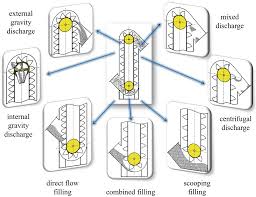
Also understand different discharge designs:
https://www.neoconveyors.com/blogs/types-of-bucket-elevator-discharge-methods
5. Excessive Chain Elongation
Chain bucket elevators naturally experience wear over time.
Causes
- Poor lubrication
- Overloading
- Abrasive material
- Worn sprockets
- Improper chain tension
Solution
- Lubricate regularly
- Monitor chain elongation
- Replace worn sprockets
- Maintain proper tension
- Avoid exceeding design capacity
6. Excessive Belt Slippage
Belt slippage reduces conveying capacity and may generate heat.
Causes
- Loose belt tension
- Worn lagging
- Wet conditions
- Excessive loading
- Oil contamination
Solutions
- Re-tension belt
- Replace lagging
- Remove oil contamination
- Maintain recommended loading
- Inspect drive system
7. Bearing Failure
Bearings support rotating shafts throughout the elevator.
Common Causes
- Dust contamination
- Insufficient lubrication
- Misalignment
- Moisture ingress
- Excessive loading
Prevention
- Use sealed bearings
- Follow lubrication schedule
- Monitor operating temperature
- Replace worn bearings before failure
8. Excessive Noise and Vibration
A properly installed bucket elevator operates smoothly. Increased vibration indicates a mechanical issue.
Possible Causes
- Loose buckets
- Misaligned shafts
- Worn bearings
- Bent pulleys
- Damaged chain
- Structural looseness
Solution
Inspect the complete drive system and tighten all structural connections during scheduled maintenance.
9. Bucket Filling Problems
Buckets should fill consistently for maximum efficiency.
Causes
- Incorrect inlet design
- Low material flow
- Wrong bucket spacing
- Material bridging
- High moisture
Solution
- Improve feed chute design
- Ensure uniform material flow
- Select proper bucket style
- Prevent material bridging
10. Premature Wear of Components
Some industries handle highly abrasive materials such as cement clinker, sand, fly ash, minerals, and crushed stone.
These applications require wear-resistant components.
Recommended Materials
- Hardox steel
- AR steel liners
- UHMW liners
- Wear-resistant buckets
- Ceramic liners for severe applications
Proper material selection significantly increases service life.
Preventive Maintenance Checklist
A structured maintenance program minimizes downtime and unexpected failures.
Daily
- Check unusual noises
- Observe belt tracking
- Monitor discharge
- Remove material build-up
Weekly
- Inspect buckets
- Check fasteners
- Verify chain or belt tension
- Examine bearings
Monthly
- Inspect pulleys and sprockets
- Check motor alignment
- Verify gearbox oil level
- Inspect safety devices
Quarterly
- Measure chain elongation
- Inspect structural frame
- Replace worn components
- Review system performance
Safety Tips for Bucket Elevator Operation
Always prioritize operator safety during inspection and maintenance.
- Follow Lockout/Tagout (LOTO) procedures.
- Never inspect moving equipment.
- Use proper access platforms.
- Wear suitable PPE.
- Keep inspection doors securely closed during operation.
- Replace damaged guards immediately.
- Train operators on emergency shutdown procedures.
Choosing the Right Bucket Elevator
Many operational problems begin with selecting the wrong elevator type.
Factors to consider include:
- Material characteristics
- Capacity (TPH)
- Lift height
- Lump size
- Bulk density
- Moisture content
- Abrasiveness
- Temperature
- Required discharge method
Learn how to choose the correct system:
Bucket Elevators Explained: Types, Components & How to Choose the Right Manufacturer
https://www.neoconveyors.com/blogs/bucket-elevators-explained-types-components-how-to-choose-the-right-manufacturer
Why Industries Choose Neo Conveyors
Neo Conveyors designs and manufactures custom bucket elevators engineered for reliable performance across demanding industrial environments.
Our solutions include:
- Continuous discharge bucket elevators
- Centrifugal discharge bucket elevators
- Chain bucket elevators
- Belt bucket elevators
- Heavy-duty industrial elevators
- Food-grade bucket elevators
- Custom-designed systems
Every machine is designed according to material characteristics, capacity requirements, and plant layout to ensure long service life and efficient operation.
Explore our complete range:
https://www.neoconveyors.com/products/bucket-elevator-manufacturers-india
Frequently Asked Questions
What is the most common bucket elevator problem?
Belt or chain misalignment, bucket wear, and poor material discharge are among the most frequently encountered issues.
How often should a bucket elevator be inspected?
A visual inspection should be performed daily, while detailed mechanical inspections should be scheduled weekly and monthly depending on operating conditions.
Why do bucket elevator buckets break?
Buckets typically fail due to excessive impact, overloading, corrosion, fatigue, or improper material selection.
What causes belt slippage?
Loose belt tension, worn pulley lagging, oil contamination, and overloading are the primary causes.
How can bucket elevator life be extended?
Routine preventive maintenance, proper lubrication, correct equipment selection, regular inspections, and timely replacement of worn components significantly increase equipment life.
Final Thoughts
A bucket elevator is a long-term investment in efficient material handling. Most operational issues can be prevented through proper equipment selection, quality manufacturing, routine inspections, and scheduled maintenance.
By understanding common problems and implementing timely corrective actions, industries can reduce downtime, improve safety, lower maintenance costs, and maximize production efficiency.
Whether you're installing a new bucket elevator or upgrading an existing system, partnering with an experienced manufacturer ensures reliable performance for years to come.
Need expert guidance for your application?
Neo Conveyors designs high-performance bucket elevators for grain, cement, fertilizers, chemicals, mining, food processing, pharmaceuticals, and many other industries. Contact our engineering team today for a customized solution tailored to your material and plant requirements.
Recent Posts