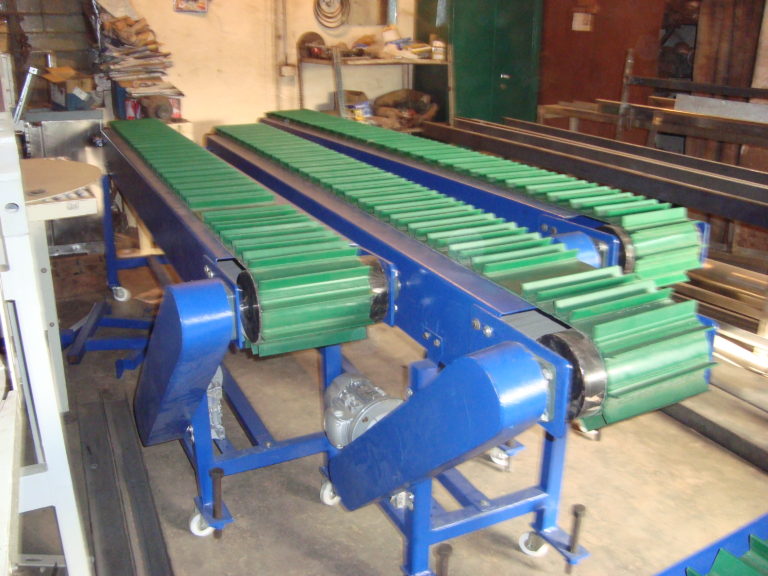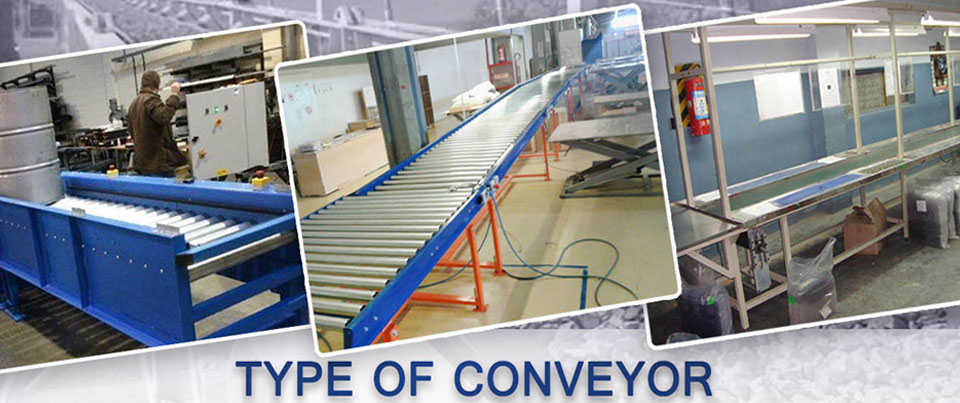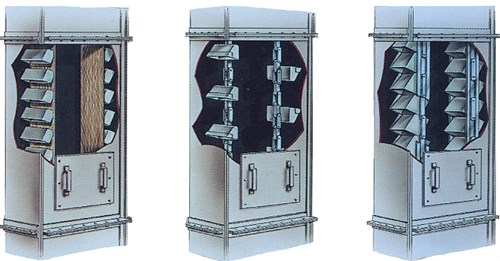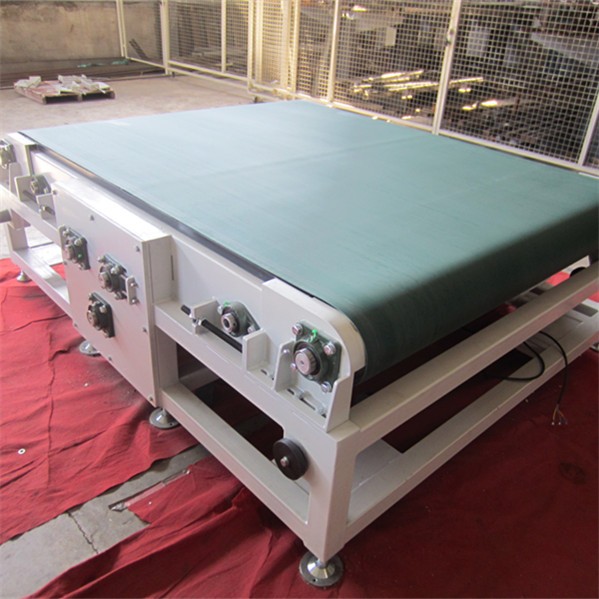
6 Key Factors to Consider When Selecting the Right Conveyor System for Your Industry
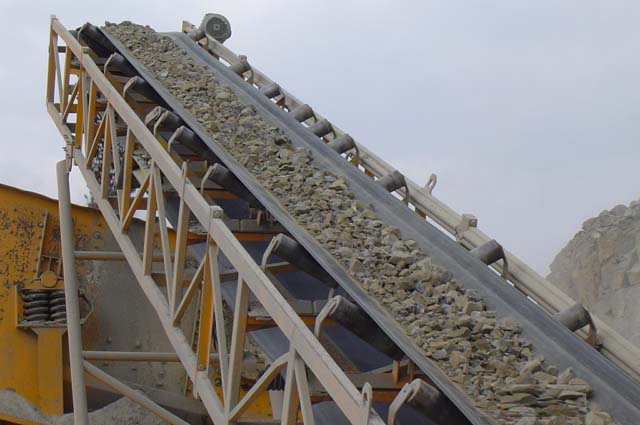
6 key factors to consider when selecting the right conveyor system for your industry—choosing a conveyor is not just a technical decision; it directly affects productivity, cost efficiency, and operational reliability. Engineering research and industry studies show that improper selection can lead to increased energy consumption, higher maintenance, and reduced throughput.
Why Conveyor Selection Is Critical
Selecting the right conveyor system ensures:
- Smooth and continuous material flow
- Reduced downtime and maintenance
- Optimized energy usage
- Better return on investment
A poorly matched system, on the other hand, creates bottlenecks and increases operational costs.
1. Understand the Material You Are Handling
The type and properties of material are the most important factors.
- Size, weight, and shape
- Moisture and temperature
- Abrasiveness or fragility
These characteristics determine the conveyor type and design.
👉 For bulk materials:
https://www.neoconveyors.com/products/tubular-screw-conveyors
2. Define Capacity and Throughput Requirements
Your production goals decide:
- Conveyor speed
- Load capacity
- System size
A mismatch can either overload the system or increase unnecessary cost.
3. Analyze Layout and Space Availability
The physical layout of your facility plays a major role.
- Distance and elevation changes
- Available floor space
- Integration with existing systems
Proper planning avoids costly redesign later.
👉 For inclined movement:
https://www.neoconveyors.com/products/inclined-belt-conveyors
4. Consider Operating Environment
Environmental conditions affect performance and durability.
- Temperature extremes
- Dust and moisture
- Chemical exposure
Selecting the right materials and coatings ensures long-term reliability.
5. Evaluate Maintenance and Operational Efficiency
Maintenance impacts long-term cost and uptime.
- Ease of cleaning and servicing
- Availability of spare parts
- Wear resistance
👉 Maintenance guide:
https://www.neoconveyors.com/blogs/how-to-keep-your-conveyor-running
6. Focus on Cost vs Long-Term Value
Initial cost is only one part of the equation.
- Energy consumption
- Maintenance cost
- System lifespan
Studies show that selecting based on total cost of ownership leads to better ROI.
Integration with Conveyor Systems
For maximum efficiency, conveyors are often used together:
👉 Belt Conveyors (General Material Handling)
https://www.neoconveyors.com/products/belt-conveyors
👉 Telescopic Belt Conveyors (Truck Loading)
https://www.neoconveyors.com/products/telescopic-belt-conveyor-manufacturers-India
👉 Related blog:
https://www.neoconveyors.com/blogs/telescopic-belt-conveyor-loading-unloading
Scientific Insight: Why Proper Selection Matters
Research in material handling systems highlights that:
- Correct system design reduces friction losses
- Optimized flow improves throughput
- Proper matching reduces wear and energy usage
This directly improves operational efficiency and system lifespan.
Why Choose Neo Conveyors
At Neo Conveyors, conveyor systems are designed using engineering principles and real industrial requirements.
- Customized solutions
- Durable construction
- Efficient system integration
- Nationwide support
FAQ
What is the most important factor when selecting a conveyor?
Material type and application requirements.
How does conveyor selection impact cost?
It affects energy use, maintenance, and system lifespan.
Can conveyors be customized?
Yes, based on layout, material, and capacity.
Which industries use conveyors?
Warehousing, manufacturing, FMCG, cement, and logistics.
Conclusion
Selecting the right conveyor system requires a balance of material characteristics, capacity, environment, and cost. By considering these key factors, businesses can improve efficiency, reduce downtime, and achieve long-term operational success.
📞 Get in Touch
🌐 www.neoconveyors.com
📞 Call / WhatsApp: 9654112235
Recent Posts