Continuous Bucket Elevators a fundamental maintenance Guide
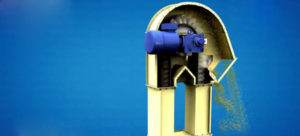
Continuous bucket elevators are among the most dependable and efficient solutions for vertical bulk material handling. They are widely used in industries such as food processing, grains, fertilizers, cement, chemicals, pharmaceuticals, power plants, and mining because they gently handle materials with minimal degradation.
However, even the most robust bucket elevator requires regular maintenance to operate efficiently. Ignoring routine inspections or delaying maintenance can lead to unexpected breakdowns, increased operating costs, reduced productivity, and expensive repairs.
This comprehensive maintenance guide explains how to inspect, maintain, and troubleshoot continuous bucket elevators to maximize equipment life, reduce downtime, and ensure safe operation.
If you're planning a new installation or upgrading an existing system, explore our Bucket Elevator Manufacturer in India solutions:
https://www.neoconveyors.com/products/bucket-elevator-manufacturers-india
What Is a Continuous Bucket Elevator?
A continuous bucket elevator is a vertical conveying system designed to transport fragile, light, or free-flowing bulk materials. Unlike centrifugal discharge elevators, continuous bucket elevators operate at lower speeds. The buckets are mounted closely together, allowing material to discharge gently by gravity into the discharge chute, minimizing product damage.
This design is ideal for handling:
Food grains
Rice
Seeds
Sugar
Salt
Animal feed
Fertilizers
Plastic granules
Powders
Coffee beans
Pulses
Chemical products
Learn more about different bucket elevator designs in our detailed guide:
Bucket Elevators Explained: Types, Components & How to Choose the Right Manufacturer
https://www.neoconveyors.com/blogs/bucket-elevators-explained-types-components-how-to-choose-the-right-manufacturer
Why Regular Maintenance Is Essential
Preventive maintenance is one of the most cost-effective investments for any material handling system. A well-maintained continuous bucket elevator delivers:
Higher equipment reliability
Reduced unplanned downtime
Lower maintenance costs
Longer belt and chain life
Improved conveying efficiency
Better product quality
Increased workplace safety
Lower energy consumption
Consistent production output
Routine inspections also help detect small issues before they develop into major mechanical failures.
Daily Inspection Checklist
A few minutes of daily inspection can prevent hours of downtime.
Operators should check:
Unusual noises during operation
Excessive vibration
Material leakage
Belt or chain tracking
Proper bucket movement
Motor temperature
Gearbox noise
Emergency stop functionality
Material flow consistency
Dust accumulation around the equipment
Any abnormal condition should be reported immediately for corrective action.
Weekly Maintenance Tasks
Weekly maintenance focuses on components subject to regular wear.
Inspect the following:
Buckets
Cracks
Wear
Loose bolts
Deformation
Product build-up
Belt or Chain
Proper tension
Alignment
Signs of wear
Damage
Elongation
Bearings
Temperature
Lubrication condition
Noise
Free rotation
Drive Components
Motor mounting bolts
Couplings
Gearbox oil leakage
Pulley or sprocket condition
Cleaning accumulated dust and spilled material during weekly inspections helps prevent premature wear.
Monthly Preventive Maintenance
A comprehensive monthly inspection should include:
Belt alignment verification
Chain elongation measurement
Bucket spacing inspection
Pulley alignment
Sprocket wear
Shaft alignment
Bearing lubrication
Gearbox oil level
Electrical wiring inspection
Safety switch testing
Structural bolt tightening
Maintaining detailed inspection records helps identify wear patterns and schedule timely component replacements.
Lubrication Best Practices
Proper lubrication significantly extends the life of rotating components.
Lubricate:
Bearings
Chain links (for chain elevators)
Drive shafts
Gearbox as per manufacturer recommendations
Avoid over-lubrication, as excess grease attracts dust and contaminants, which can accelerate component wear.
Always use lubricants suitable for the operating environment and temperature.
Belt and Chain Inspection
The belt or chain is the heart of the bucket elevator.
Inspect regularly for:
Belt Elevators
Edge wear
Surface cracks
Belt stretching
Splice condition
Tracking issues
Chain Elevators
Chain elongation
Pin wear
Roller wear
Corrosion
Improper tension
Replacing worn belts or chains before failure prevents costly production interruptions.
Bucket Inspection and Replacement
Buckets are exposed to continuous loading and discharge cycles.
Inspect for:
Cracks
Broken edges
Loose mounting hardware
Excessive wear
Corrosion
Product build-up
Damaged buckets reduce conveying efficiency and increase material spillage.
Always replace damaged buckets with the correct size and material specified for your application.
Pulley and Sprocket Maintenance
Drive pulleys and sprockets transfer power throughout the system.
Regular inspection should include:
Surface wear
Misalignment
Shaft damage
Loose keys
Worn lagging
Tooth wear (for sprockets)
Misaligned pulleys often cause belt tracking problems and premature belt failure.
Gearbox and Motor Maintenance
The drive system requires periodic inspection to maintain reliable operation.
Check:
Gearbox oil level
Oil leakage
Gearbox temperature
Motor current
Electrical connections
Cooling fan cleanliness
Coupling alignment
Abnormal vibration or overheating should be investigated immediately.
Bearing Maintenance
Bearing failure is one of the leading causes of unexpected shutdowns.
Monitor:
Operating temperature
Lubrication condition
Noise levels
Shaft movement
Vibration
Replacing worn bearings during scheduled maintenance is significantly less expensive than emergency repairs.
Common Continuous Bucket Elevator Problems
Even with proper maintenance, occasional issues may arise.
Common problems include:
Belt misalignment
Chain elongation
Bucket damage
Material carryback
Poor discharge
Material spillage
Bearing failure
Gearbox overheating
Excessive vibration
Dust leakage
Read our complete troubleshooting guide:
Bucket Elevator Problems and Solutions
https://www.neoconveyors.com/blogs/bucket-elevator-problems-and-solutions
Choosing the Right Discharge Method
Performance also depends on selecting the appropriate discharge system.
Understand the differences:
Continuous vs. Centrifugal Bucket Elevators
https://www.neoconveyors.com/blogs/continuous-vs-centrifugal-discharge-bucket-elevator
You can also learn about various discharge designs here:
Types of Bucket Elevator Discharge Methods
https://www.neoconveyors.com/blogs/types-of-bucket-elevator-discharge-methods
Safety Precautions During Maintenance
Maintenance personnel should always follow safe working practices.
Recommended safety measures include:
Lockout/Tagout (LOTO) before maintenance
Disconnect electrical power
Wear appropriate PPE
Use certified lifting equipment
Never enter the elevator casing without authorization
Inspect guards before restarting
Test emergency stop switches
Follow confined space procedures when applicable
Safety should always be prioritized over production schedules.
Preventive Maintenance Checklist
Daily
Check abnormal noise
Inspect material flow
Observe belt or chain tracking
Remove spilled material
Weekly
Tighten fasteners
Inspect buckets
Check belt or chain tension
Inspect bearings
Monthly
Lubricate bearings
Inspect gearbox
Check pulleys and sprockets
Verify structural alignment
Quarterly
Replace worn components
Measure chain elongation
Inspect drive system
Review maintenance records
Why Choose Neo Conveyors?
Neo Conveyors has over 18 years of experience in designing and manufacturing reliable bucket elevators for a wide range of industries. Every system is engineered for durability, efficiency, and low maintenance, using premium components and industry-proven design practices.
Our solutions include:
Continuous Bucket Elevators
Centrifugal Bucket Elevators
Belt Bucket Elevators
Chain Bucket Elevators
Heavy-Duty Industrial Elevators
Food-Grade Bucket Elevators
Custom Material Handling Solutions
Explore our complete range:
https://www.neoconveyors.com/products/bucket-elevator-manufacturers-india
Frequently Asked Questions
How often should a continuous bucket elevator be inspected?
Daily visual inspections, weekly mechanical checks, and comprehensive monthly preventive maintenance are recommended for reliable performance.
What is the most common maintenance issue?
Belt or chain misalignment, insufficient lubrication, bucket wear, and bearing failure are the most common issues.
Why is preventive maintenance important?
Preventive maintenance reduces unexpected breakdowns, extends equipment life, improves safety, and lowers operating costs.
How can I increase the life of my bucket elevator?
Follow a scheduled maintenance program, lubricate components properly, inspect wear parts regularly, and replace damaged components before they fail.
Which industries use continuous bucket elevators?
Continuous bucket elevators are widely used in grain processing, food manufacturing, fertilizer plants, chemical processing, pharmaceuticals, cement, mining, and bulk material handling industries.
Conclusion
A continuous bucket elevator is a long-term investment that delivers reliable and efficient vertical material handling when maintained correctly. Regular inspections, proper lubrication, timely replacement of worn components, and adherence to preventive maintenance schedules help reduce downtime, improve safety, and maximize equipment lifespan.
By implementing the best practices outlined in this guide, industries can enhance productivity, lower maintenance costs, and ensure uninterrupted operation. Partnering with an experienced manufacturer like Neo Conveyors further ensures that your bucket elevator is designed, installed, and supported for long-term performance and reliability.
Whether you need a new continuous bucket elevator or expert assistance with maintenance and upgrades, Neo Conveyors offers customized solutions tailored to your operational requirements.
Recent Posts