5 Tips To Keep Your Chain Conveyors Operational
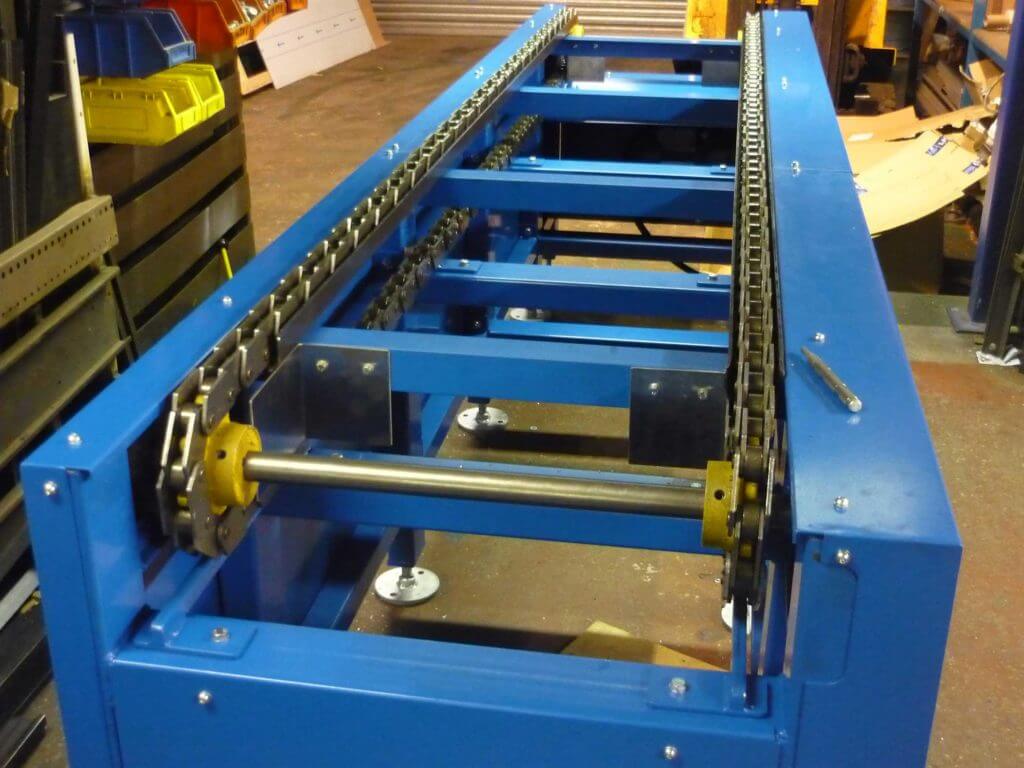
Chain conveyors are among the most reliable material handling systems used in manufacturing plants, warehouses, automotive industries, cement plants, packaging units, and heavy engineering facilities. Designed to move heavy, hot, or bulky products continuously, they offer exceptional durability—but only when maintained properly.
Unexpected conveyor failures can stop production, increase maintenance costs, and delay customer deliveries. The good news is that most chain conveyor breakdowns are preventable with a structured maintenance program focused on inspection, lubrication, alignment, and operator awareness. Industry guidance consistently emphasizes routine inspections, proper lubrication, cleaning, correct chain tension, and preventive maintenance to maximize conveyor reliability.
In this guide, Neo Conveyors shares five practical maintenance tips that will help keep your chain conveyor running safely and efficiently throughout its service life.
Why Preventive Maintenance Matters for Chain Conveyors
Many industries still follow a reactive maintenance approach—repairing equipment only after it fails. Unfortunately, this often leads to:
Unplanned production downtime
Expensive emergency repairs
Premature chain and sprocket wear
Reduced equipment lifespan
Safety risks for operators
A preventive maintenance strategy identifies wear before it becomes a failure, improving equipment reliability while lowering overall maintenance costs. (CEMA)
1. Inspect the Conveyor System Regularly
Routine inspection is the foundation of every successful maintenance program.
Even a quick daily visual inspection can identify problems before they become costly failures.
What Should Be Inspected?
Chain Condition
Check for:
Chain elongation
Rust or corrosion
Cracked or damaged links
Uneven wear
Sprockets
Inspect for:
Hooked teeth
Excessive wear
Broken teeth
Improper engagement
Bearings
Look for:
Excessive heat
Grease leakage
Abnormal vibration
Unusual noise
Drive Components
Inspect:
Gearbox oil leakage
Motor mounting
Coupling alignment
Fasteners
Daily inspections reduce unexpected failures and make maintenance easier to plan.
2. Lubricate Chains Properly
Lubrication is one of the most important factors affecting chain life.
Without proper lubrication:
Friction increases
Chain stretches faster
Sprockets wear quickly
Power consumption rises
Proper lubrication significantly extends chain service life and reduces wear.
Best Lubrication Practices
Use only manufacturer-recommended lubricants.
Lubricate while the chain is warm whenever possible.
Clean old grease before applying fresh lubricant.
Avoid over-lubrication because it attracts dust.
Increase lubrication frequency in dusty environments.
Signs of Poor Lubrication
Squeaking noises
Rust-colored joints
High operating temperature
Chain stiffness
Excessive vibration
3. Keep the Conveyor Clean
Dust, product residue, grease, and debris are common causes of conveyor problems.
Material build-up increases friction and causes:
Chain binding
Roller wear
Chain jumping
Misalignment
Increased motor load
Routine cleaning is a key part of reliable conveyor operation.
Cleaning Checklist
Remove debris from chain guides.
Clean sprocket teeth.
Wipe excess grease.
Remove product accumulation.
Inspect return paths.
Clean safety sensors.
Cleaning Frequency
| Environment | Recommended Cleaning |
|---|---|
| Food Industry | Daily |
| Cement Plants | Every Shift |
| Packaging Plants | Weekly |
| General Manufacturing | Weekly or as required |
4. Maintain Proper Chain Tension and Alignment
Incorrect chain tension is one of the biggest reasons for premature conveyor failure.
Too Loose:
Chain jumping
Sprocket skipping
Uneven wear
Too Tight:
High bearing load
Motor overload
Faster chain elongation
Correct tension and alignment reduce wear and improve conveyor efficiency.
Alignment Checklist
Check:
Drive shaft alignment
Tail shaft alignment
Sprocket alignment
Chain guide condition
Conveyor frame level
Warning Signs
Uneven chain wear
Loud operation
Side loading
Chain drifting
Frequent adjustments
5. Train Operators and Follow a Preventive Maintenance Schedule
Even the best-designed chain conveyor can fail if it is operated incorrectly.
Operators should know:
Safe start-up procedures
Shutdown sequence
Emergency stop locations
Daily inspection checklist
Load limitations
Signs of abnormal operation
Well-trained operators help identify early warning signs and reduce equipment misuse.
Suggested Preventive Maintenance Schedule
Daily
Visual inspection
Clean debris
Listen for unusual noises
Check chain movement
Weekly
Lubricate chain
Inspect sprockets
Tighten loose fasteners
Check safety guards
Monthly
Inspect bearings
Verify chain tension
Check gearbox oil
Inspect motor alignment
Quarterly
Measure chain wear
Inspect drive system
Replace worn components
Review maintenance records
Common Reasons Chain Conveyors Fail
Most failures occur because maintenance is delayed rather than because of manufacturing defects.
Common causes include:
Poor lubrication
Chain elongation
Worn sprockets
Overloading
Misalignment
Material build-up
Bearing failure
Ignoring abnormal noise
Lack of preventive maintenance
Identifying these issues early minimizes downtime and extends equipment life.
Industries That Benefit from Well-Maintained Chain Conveyors
Chain conveyors are widely used in:
Automotive manufacturing
Steel plants
Cement industries
Packaging plants
Warehousing & logistics
Food processing
Chemical industries
Foundries
Heavy engineering
FMCG manufacturing
H2 Why Choose Neo Conveyors?
Neo Conveyors designs and manufactures robust chain conveyor systems tailored to demanding industrial applications. Every conveyor is engineered for high performance, long service life, and easy maintenance.
Our solutions include:
Heavy-duty chain conveyors
Slat chain conveyors
Drag chain conveyors
Roller conveyors
Belt conveyors
Custom material handling systems
Whether you're installing a new production line or upgrading an existing conveyor, our engineering team can recommend the right solution for your application.
Related Products
Explore our conveyor solutions:
Belt Conveyors: https://www.neoconveyors.com/products/belt-conveyors
Chain Conveyors: https://www.neoconveyors.com/products/chain-conveyors
Roller Conveyors: https://www.neoconveyors.com/products/roller-conveyors
Slat Conveyors: https://www.neoconveyors.com/products/slat-conveyors
Bucket Elevators: https://www.neoconveyors.com/products/bucket-elevators
Frequently Asked Questions (FAQs)
How often should a chain conveyor be inspected?
A visual inspection should be performed daily, with detailed preventive maintenance scheduled weekly, monthly, and quarterly depending on operating conditions.
What is the most common cause of chain conveyor failure?
Insufficient lubrication, poor alignment, and neglected preventive maintenance are among the leading causes of premature chain conveyor failure.
How do I know if my conveyor chain needs replacement?
Replace the chain if you notice excessive elongation, cracked links, severe corrosion, uneven wear, or repeated jumping on the sprockets.
Can lubrication extend conveyor chain life?
Yes. Using the correct lubricant at the recommended intervals reduces friction, minimizes wear, and significantly extends chain and sprocket service life.
Does Neo Conveyors provide custom chain conveyor solutions?
Yes. Neo Conveyors designs and manufactures custom chain conveyor systems based on load capacity, product dimensions, industry requirements, and plant layout.
Conclusion
A reliable chain conveyor is the backbone of an efficient material handling system. Regular inspections, proper lubrication, routine cleaning, correct chain tension, and a disciplined preventive maintenance schedule can dramatically reduce downtime while extending equipment life.
If you're planning to install a new chain conveyor or upgrade an existing material handling system, Neo Conveyors offers engineered solutions built for long-term performance across manufacturing, warehousing, packaging, cement, and heavy industries.
Recent Posts