Are Conveyor Systems the Best Technology for Modern Industries?
In most modern factories and warehouses, the answer is increasingly yes. As production volumes rise and timelines tighten, businesses need reliable ways to move materials quickly, safely, and consistently. Conveyor systems have become a core part of that shift—replacing manual handling with controlled, continuous flow.
Why Industries Are Moving Toward Conveyors
Manual handling creates delays, increases fatigue, and introduces variability. Conveyors address these issues by standardizing how materials move across processes.
What changes with conveyors:
- Predictable movement from one stage to the next
- Reduced dependence on manual lifting
- Fewer bottlenecks during peak operations
- Safer working conditions
Where Conveyors Make the Biggest Impact
Warehousing & Logistics
High-throughput environments benefit from continuous flow—especially during sorting and dispatch.
Manufacturing
Production lines rely on steady material movement to maintain output.
FMCG & Packaging
Cartons and packaged goods move efficiently between processing and packing areas.
Cement & Bulk Handling
Powders and aggregates require controlled transfer with minimal loss.
Matching the Right Conveyor to the Job
Different applications call for different systems:
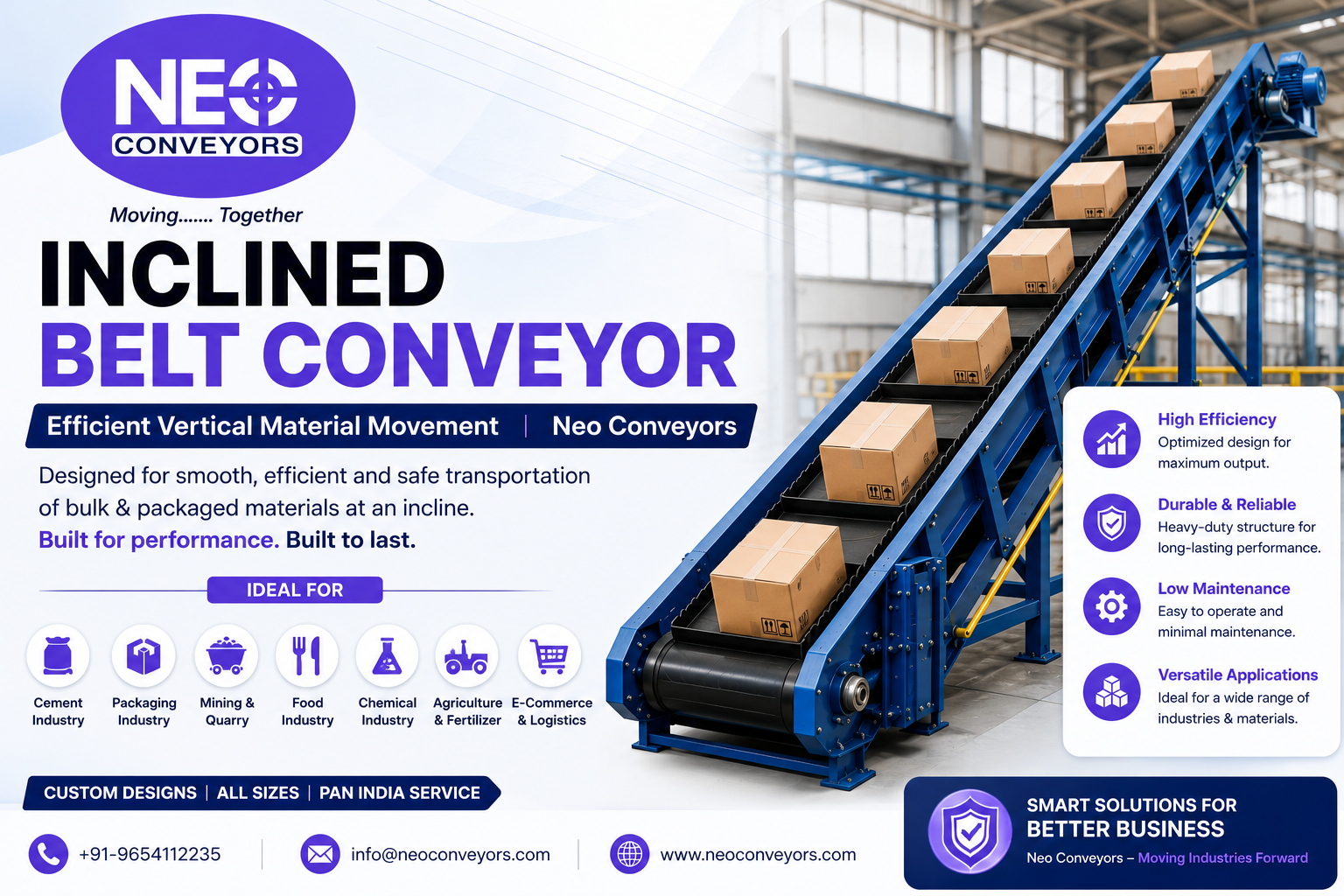
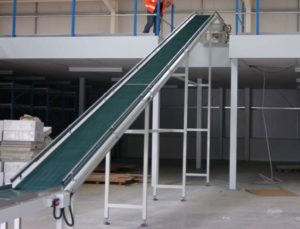
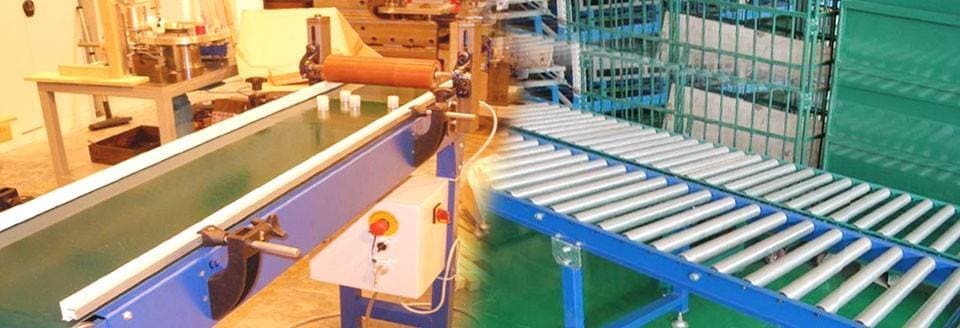
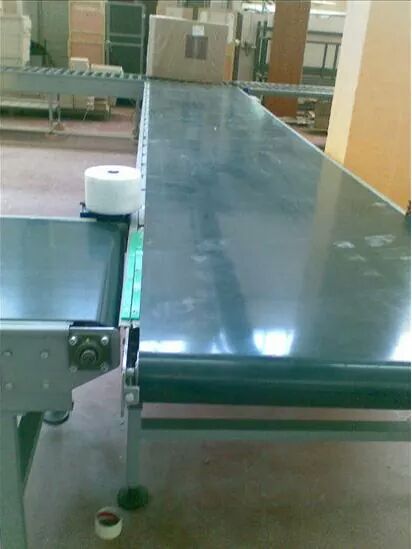
Belt Conveyors – for general movement across distances
👉 https://www.neoconveyors.com/products/belt-conveyors
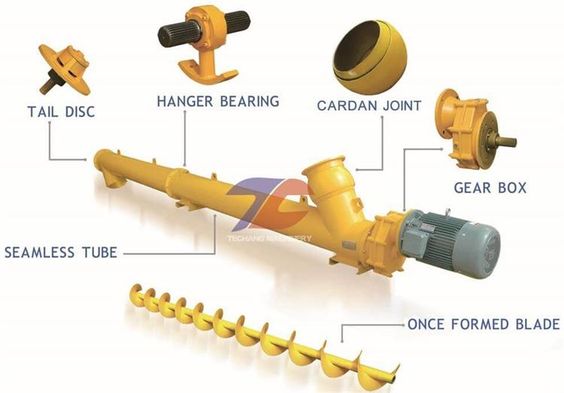
Screw Conveyors – for powders and bulk materials
👉 https://www.neoconveyors.com/products/tubular-screw-conveyors
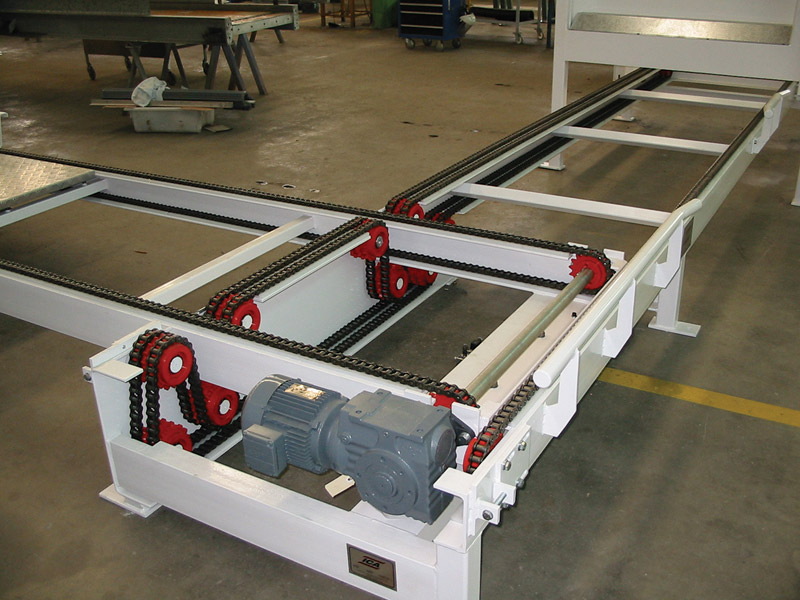
Roller Conveyors – for cartons and packaging lines
👉 https://www.neoconveyors.com/products/free-roller-conveyors
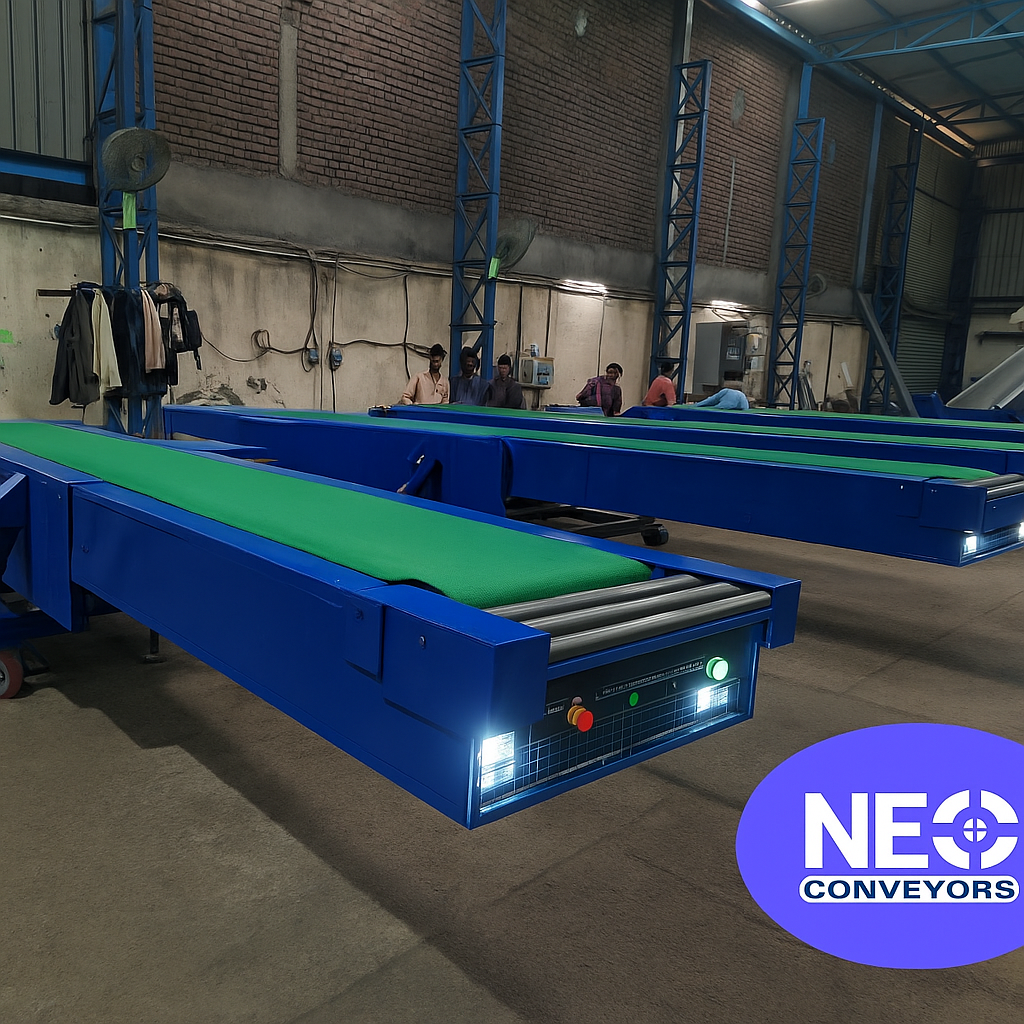
Telescopic Belt Conveyors – for truck loading and unloading
👉 https://www.neoconveyors.com/products/telescopic-belt-conveyor-manufacturers-India
For a closer look at loading efficiency:
👉 https://www.neoconveyors.com/blogs/telescopic-belt-conveyor-loading-unloading
What You Gain by Implementing Conveyors
Higher throughput
Continuous flow increases the volume handled per shift.
Lower operating costs
Reduced manpower and fewer handling errors.
Consistency
Standardized movement improves process reliability.
Safety improvements
Less lifting and carrying reduces workplace risks.
Are Conveyors Always the Best Choice?
Conveyors are highly effective, but they work best when properly matched to the application. Factors like layout, material type, and required capacity should guide the decision.
In most cases, combining multiple systems—such as belt, roller, and telescopic conveyors—creates a more efficient overall setup than relying on a single solution.
Why Choose Neo Conveyors
At Neo Conveyors, solutions are designed around how your facility actually operates. The focus is on building systems that integrate smoothly into your workflow rather than forcing changes to it.
- Application-based design
- Durable, industrial-grade construction
- Scalable systems for future growth
- Support across India
FAQ
Are conveyors suitable for small operations?
Yes, they can be scaled to match different capacities and layouts.
Do conveyors reduce labor costs?
They reduce manual handling, which lowers labor dependency over time.
Which conveyor is best for warehouses?
Belt and telescopic conveyors are commonly used.
Can systems be customized?
Yes, based on material type, capacity, and layout.
Conclusion
For most industries, conveyors offer a practical and proven way to improve efficiency, reduce costs, and maintain consistent operations. When selected and implemented correctly, they become a long-term asset rather than just a piece of equipment.
📞 Get in Touch
🌐 www.neoconveyors.com
📞 Call / WhatsApp: 9654112235
Recent Posts