How to Choose the Right Conveyor System for Your Business: A Practical, Data-Driven Guide
Selecting a conveyor is a strategic decision that affects throughput, operating cost, and reliability. Industrial engineering studies consistently show that well-matched conveyor systems improve material flow, reduce handling time, and lower lifecycle costs when compared to poorly specified equipment.
Why the Right Conveyor Choice Matters
Material handling is often a hidden constraint in operations. When systems are mismatched:
- Throughput drops due to bottlenecks
- Energy consumption increases
- Maintenance frequency rises
- Labor dependency remains high
A properly selected conveyor aligns with your process, ensuring consistent and efficient movement of materials.
Understand Your Material First
Start with the basics—what you’re moving.
- Size, weight, and shape
- Bulk vs packaged goods
- Fragility or abrasiveness
- Moisture or temperature sensitivity
For powders or granular materials, systems like:
👉 https://www.neoconveyors.com/products/tubular-screw-conveyors
are often more effective than standard belt systems.
Define Throughput and Capacity
Your required output determines the system design.
- Units/hour or tons/hour
- Peak vs average load
- Future scalability
Research in operations engineering shows that underestimating capacity leads to frequent overload and downtime, while oversizing increases capital and energy costs.
Evaluate Layout and Space Constraints
Every facility has physical limitations.
- Available floor space
- Distance between process points
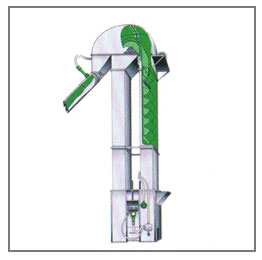
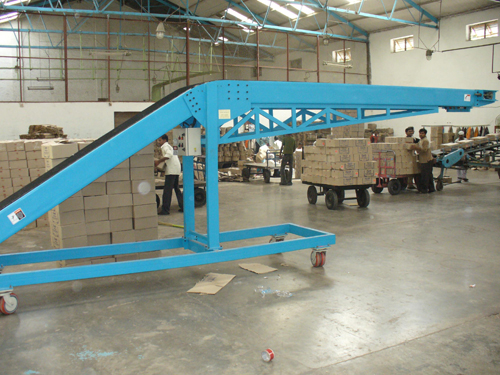
- Vertical movement requirements
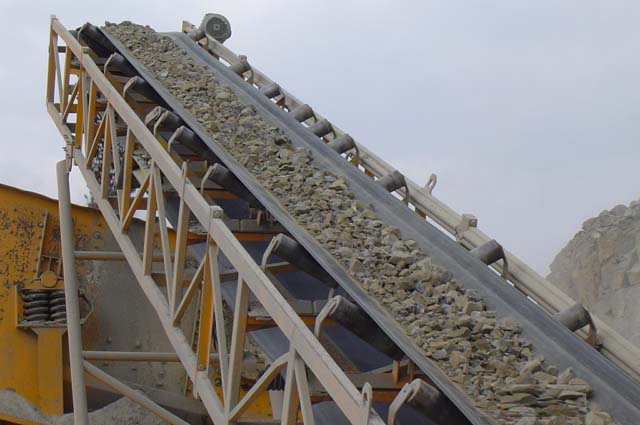
For elevation changes:
👉 https://www.neoconveyors.com/products/inclined-belt-conveyors
Efficient layout design reduces unnecessary movement and improves workflow.
Match Conveyor Type to Application
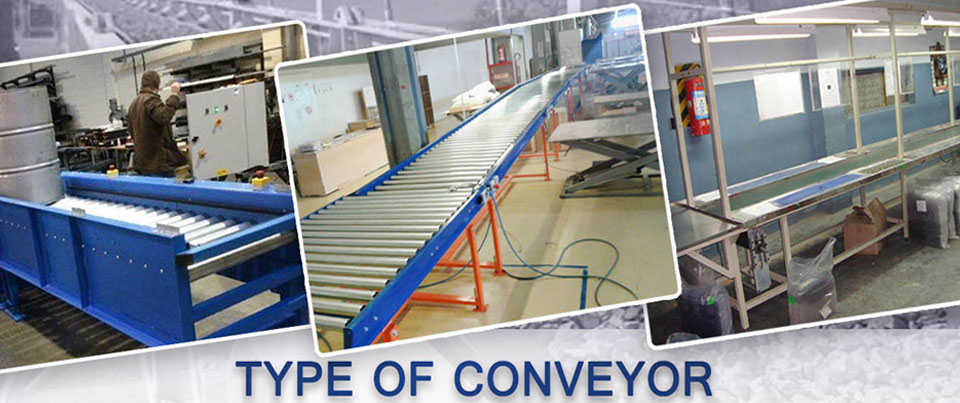
Different conveyors serve different purposes:
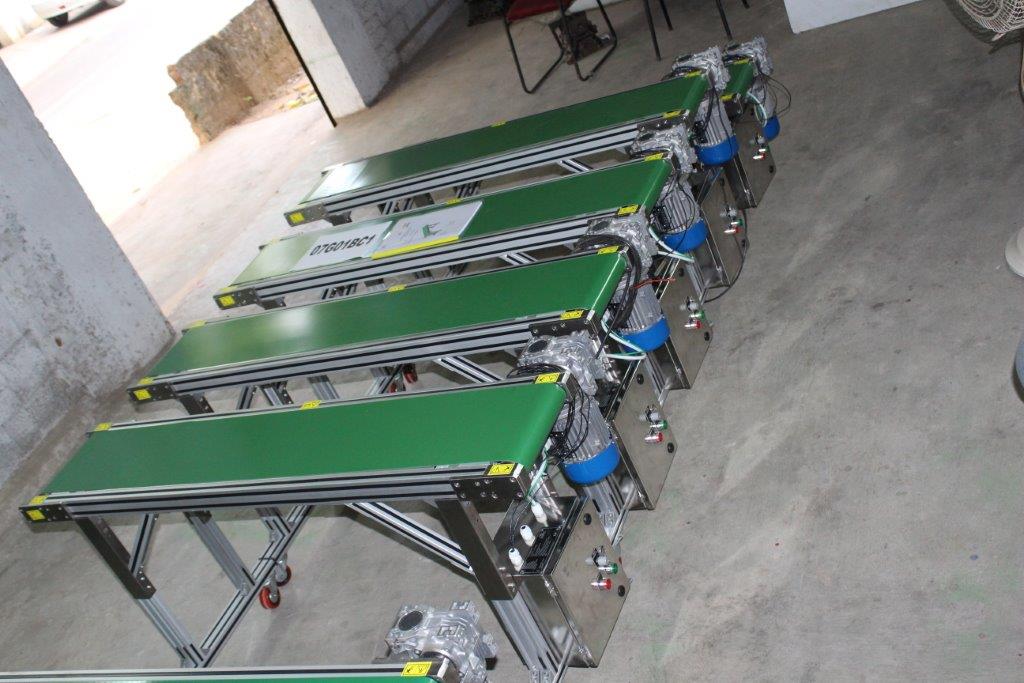
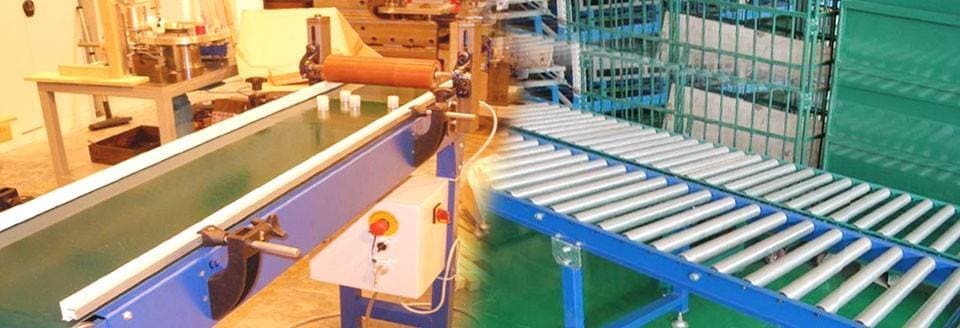
Belt Conveyors – for continuous material transport
👉 https://www.neoconveyors.com/products/belt-conveyors
Roller Conveyors – for cartons and packaging lines
👉 https://www.neoconveyors.com/products/free-roller-conveyors
Telescopic Belt Conveyors – for truck loading/unloading
👉 https://www.neoconveyors.com/products/telescopic-belt-conveyor-manufacturers-India
👉 Related blog:
https://www.neoconveyors.com/blogs/telescopic-belt-conveyor-loading-unloading
Choosing the correct type ensures maximum efficiency and minimal operational friction.
Consider Operating Environment
Environmental conditions directly affect performance.
- Dust, humidity, or chemicals
- Temperature variations
- Indoor vs outdoor installation
Selecting appropriate materials and coatings improves durability and reduces maintenance.
Focus on Maintenance and Reliability
Maintenance is often overlooked during selection.
- Ease of access to components
- Spare parts availability
- Cleaning and servicing requirements
👉 Maintenance guide:
https://www.neoconveyors.com/blogs/how-to-keep-your-conveyor-running
Preventive maintenance planning significantly reduces downtime.
Analyze Total Cost of Ownership
Initial price is only part of the equation. Consider:
- Energy consumption
- Maintenance cost
- Downtime impact
- System lifespan
Studies show that systems selected based on lifecycle cost rather than upfront cost deliver better ROI over time.
Integration with Existing Systems
Modern operations require connected systems.
- Compatibility with current equipment
- Automation readiness
- Smooth transfer points
A well-integrated system ensures continuous and uninterrupted material flow.
Why Choose Neo Conveyors
At Neo Conveyors, conveyor systems are engineered based on real operational needs and practical design principles.
- Customized solutions for different industries
- Durable and efficient systems
- Seamless integration with existing setups
- Nationwide service support
FAQ
How do I choose the right conveyor system?
By evaluating material type, capacity, layout, and operational requirements.
Which conveyor is best for warehouses?
Belt and telescopic conveyors are widely used.
Can conveyor systems be customized?
Yes, based on application and facility layout.
What affects conveyor efficiency?
Material properties, design, speed, and maintenance.
Conclusion
Choosing the right conveyor system is not just about equipment—it’s about optimizing your entire material handling process. With the right selection, businesses can achieve higher efficiency, reduced costs, and long-term operational reliability.
📞 Get in Touch
🌐 www.neoconveyors.com
📞 Call / WhatsApp: 9654112235
Recent Posts