What Is a Gravity Conveyor? Complete Guide for Warehouses & Industries
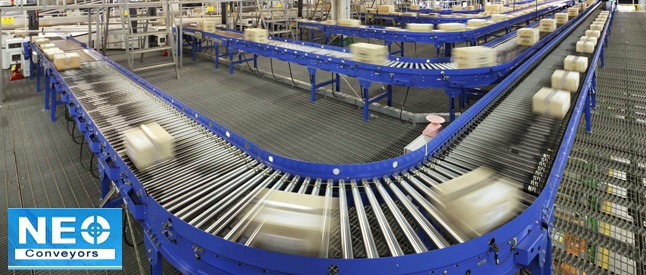
Gravity conveyors are among the simplest yet most effective material handling systems used in warehouses, manufacturing plants, logistics centers, packaging units, and distribution facilities. Unlike powered conveyors, gravity conveyors move products using gravity or manual force, making them an energy-efficient and cost-effective solution for transporting cartons, boxes, totes, crates, and other unit loads.
Despite their simple design, gravity conveyors play a vital role in streamlining material flow, reducing manual lifting, and improving workplace productivity. Whether you're setting up a new warehouse or upgrading an existing production line, understanding how gravity conveyors work can help you choose the right solution for your business.
In this comprehensive guide, we'll explain what a gravity conveyor is, how it works, its key components, different types, major benefits, and the industries that rely on it every day.
If you're looking for high-quality conveyor systems tailored to your application, explore Neo Conveyors' complete range of Roller Conveyor Systems:
https://www.neoconveyors.com/products/roller-conveyor
What Is a Gravity Conveyor?
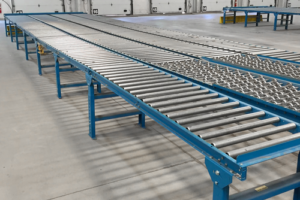
A gravity conveyor is a non-powered conveyor system that transports materials using the force of gravity or manual pushing. Instead of relying on motors or gearboxes, products move over freely rotating rollers or wheels placed on a sturdy frame.
When installed on a slight incline, gravity naturally moves products from one point to another. On level surfaces, operators can easily push items with minimal effort due to the low rolling resistance of the conveyor rollers.
Gravity conveyors are ideal for handling:
Corrugated cartons
Plastic crates
Wooden boxes
Plastic totes
Storage bins
Drums
Finished products
Light pallets
Industrial components
Because they require no electrical power during operation, gravity conveyors offer a simple, economical, and reliable solution for many material handling applications.
How Does a Gravity Conveyor Work?
The working principle of a gravity conveyor is straightforward.
Products are placed on a series of free-spinning rollers mounted within a rigid frame. As the load is pushed manually or positioned on an inclined section, gravity causes it to roll smoothly toward the discharge end.
The movement depends on several factors, including:
Conveyor Inclination
A slight slope is often sufficient to keep products moving at a controlled speed without requiring external power.
Roller Spacing
Proper roller spacing ensures the product remains stable while moving across the conveyor. A common design guideline is to keep at least three rollers in contact with the product at all times.
Product Weight
Heavier loads generally roll more easily than very lightweight products. Conveyor designers consider load weight when selecting roller diameter and spacing.
Roller Bearings
High-quality bearings reduce rolling resistance, allowing products to move smoothly while minimizing operator effort.
Because of its simple operating principle, a gravity conveyor requires very little maintenance compared to powered conveying systems.
Main Components of a Gravity Conveyor
Although gravity conveyors have a simple design, each component contributes to reliable and efficient performance.
1. Conveyor Rollers
Rollers are the primary moving elements of the conveyor. They rotate freely to support and transport products.
Depending on the application, rollers may be manufactured from:
Mild Steel (MS)
Stainless Steel (SS304 or SS316)
Aluminium
PVC
HDPE
The choice of roller material depends on the operating environment, product type, and load capacity.
2. Conveyor Frame
The frame provides structural support for the rollers and ensures proper alignment.
Common frame materials include:
Powder-coated mild steel
Galvanized steel
Stainless steel
Aluminium profiles
The frame is designed according to conveyor length, load capacity, and installation requirements.
3. Bearings
Each roller contains precision bearings that allow smooth rotation with minimal friction.
Quality bearings improve:
Conveyor efficiency
Roller life
Noise reduction
Maintenance intervals
4. Side Guides
Optional side guides keep products aligned while moving along the conveyor.
These are especially useful for:
Narrow cartons
Lightweight packages
High-speed transfer areas
5. Support Legs
Adjustable support legs allow the conveyor height to be modified to suit production lines, packing tables, or warehouse layouts.
Some models also include lockable caster wheels for easy mobility.
Types of Gravity Conveyors
Gravity conveyors are available in several configurations to meet different operational requirements.
Gravity Roller Conveyor
The most widely used type, featuring cylindrical rollers mounted on a fixed frame.
Ideal for:
Cartons
Plastic crates
Industrial boxes
Storage bins
Learn more about our Gravity Roller Conveyor solutions:
https://www.neoconveyors.com/products/gravity-roller-conveyor
Flexible Gravity Conveyor
A flexible gravity conveyor can expand, contract, or curve to accommodate changing warehouse layouts.
It is commonly used for:
Loading docks
Parcel handling
Temporary conveyor lines
Distribution centres
Its portability makes it an excellent choice for facilities that require flexible material handling.
Skate Wheel Conveyor
Instead of rollers, this conveyor uses multiple small skate wheels.
Advantages include:
Lower weight
Easy product movement
Suitable for lightweight cartons
Flexible layouts
However, skate wheel conveyors are generally less suitable for heavy or uneven loads.
Ball Transfer Conveyor
Ball transfer tables allow products to move in multiple directions.
These conveyors are ideal for:
Workstations
Assembly lines
Packaging areas
Product positioning
They simplify manual handling where products must be rotated or redirected.
Key Benefits of Gravity Conveyors
The popularity of gravity conveyors comes from their combination of simplicity, reliability, and low operating cost.
1. No Electricity Required
One of the biggest advantages is that gravity conveyors operate without motors or electrical power.
This leads to:
Lower energy costs
Reduced operating expenses
Improved sustainability
2. Lower Maintenance Costs
Because there are no motors, chains, belts, or drive systems, gravity conveyors require minimal maintenance.
Routine inspections typically involve:
Checking roller rotation
Cleaning accumulated debris
Inspecting bearings
Tightening fasteners
This simplicity reduces maintenance downtime and extends equipment life.
3. Cost-Effective Material Handling
Gravity conveyors are often the most economical choice for facilities handling unit loads.
Compared to powered conveyors, they offer:
Lower initial investment
Minimal maintenance
No electricity costs
Easy installation
These advantages make them particularly attractive for small and medium-sized businesses.
4. Improved Workplace Safety
Reducing manual carrying decreases the risk of worker fatigue and lifting-related injuries.
Operators can move heavy cartons and boxes with significantly less effort.
When combined with ergonomic workstation design, gravity conveyors contribute to a safer working environment.
5. Flexible Installation
Gravity conveyors can be installed in:
Warehouses
Assembly lines
Packaging stations
Dispatch areas
Inspection lines
Production facilities
Their modular design allows sections to be extended or reconfigured as production requirements change.
6. Environmentally Friendly
Since gravity conveyors require little or no electrical energy during operation, they help reduce energy consumption and carbon emissions.
For businesses focused on sustainability, gravity conveyors offer an environmentally responsible material handling solution.
Industrial Applications of Gravity Conveyors
Gravity conveyors are used across a wide range of industries because of their versatility and reliability.
Warehousing and Distribution
Gravity conveyors are widely used in warehouses for moving cartons between receiving, storage, packing, and dispatch areas.
They improve workflow while reducing manual handling.
Logistics and Courier Hubs
Distribution centres rely on gravity conveyors for parcel movement, order consolidation, and loading operations.
They provide an economical solution for handling large volumes of packaged goods.
Manufacturing Plants
Manufacturers use gravity conveyors to transfer components and finished products between workstations.
Applications include:
Automotive parts
Consumer goods
Engineering products
Plastic moulded components
Packaging Industry
Packaging lines use gravity conveyors for transporting cartons, boxes, and finished packages between different processing stages.
They integrate easily with sealing, labelling, and inspection equipment.
Food Processing
Food-grade gravity conveyors made from stainless steel are commonly used to transport packaged food products in hygienic environments.
Typical applications include:
Bakery products
Packaged snacks
Dairy products
Beverage cartons
Pharmaceutical Industry
Gravity conveyors assist in moving cartons, medicine boxes, and packaged products through production and packing lines while maintaining smooth product flow.
E-commerce Fulfilment Centres
Online retailers use gravity conveyors to improve order picking, sorting, packing, and dispatch operations.
As order volumes increase, gravity conveyors help maintain efficient warehouse operations while reducing labour requirements.
Why Many Businesses Combine Gravity and Powered Conveyors
While gravity conveyors are highly efficient for many applications, they are often combined with powered roller conveyors, belt conveyors, or telescopic belt conveyors to create a complete material handling system.
For example:
A powered conveyor can transport products over long distances.
A gravity conveyor can then be used for accumulation or packing stations.
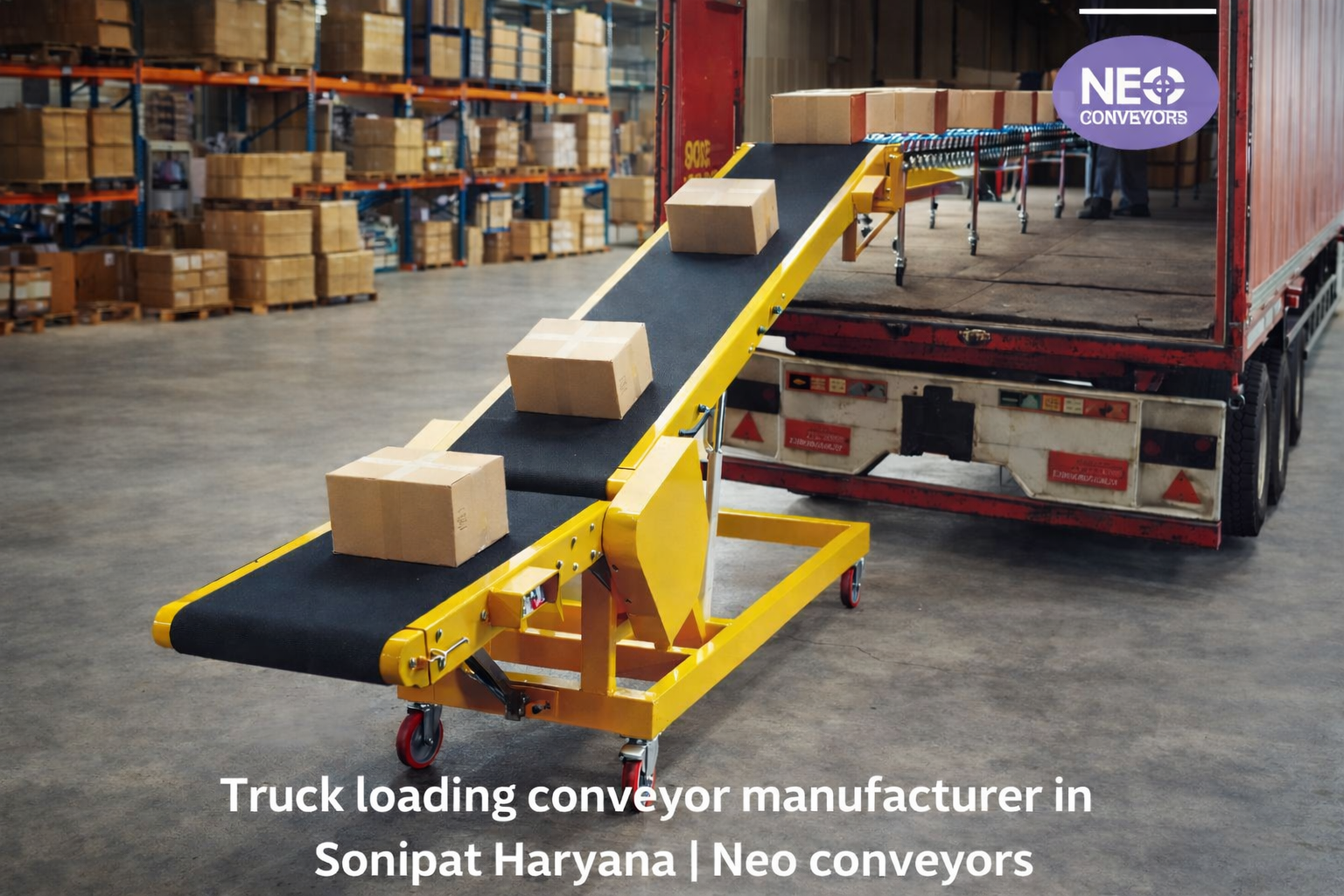
A telescopic belt conveyor can handle truck loading and unloading.
Explore our related conveyor solutions:
Belt Conveyor Systems
https://www.neoconveyors.com/products/belt-conveyors
Telescopic Belt Conveyors
https://www.neoconveyors.com/products/telescopic-belt-conveyor-manufacturers-India
Continue to Part 2: Gravity Conveyor vs. Powered Conveyor, selection criteria, maintenance tips, common mistakes, FAQs, why choose Neo Conveyors, and conclusion.
Recent Posts