Chain Conveyor Systems for Industrial Material Handling: Performance, Applications & Selection Guide
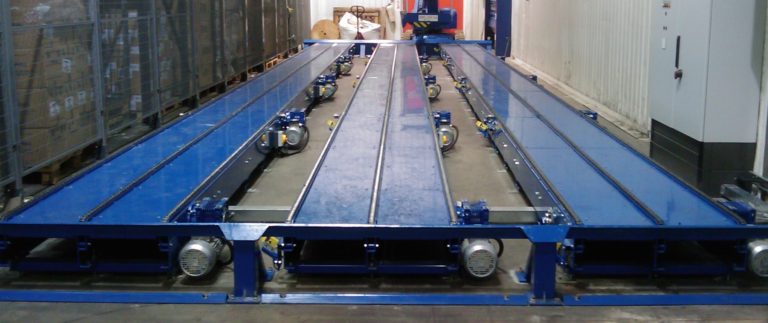
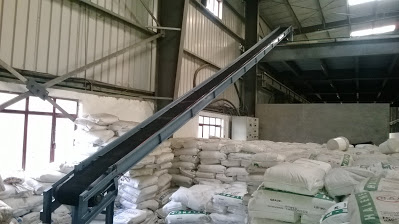
Chain conveyor systems for industrial material handling: performance, applications & selection guide—these conveyors are engineered for heavy-duty, high-load environments where belts may not be ideal. In industrial engineering, chain-driven systems are preferred for their positive drive, high traction, and resistance to slip, making them suitable for rugged operations and bulk handling.
What Is a Chain Conveyor?
A chain conveyor is a mechanical handling system that uses one or more chains to move materials along a fixed path. Unlike belt systems, chain conveyors rely on direct mechanical engagement, which ensures consistent movement even under heavy loads.
They are commonly used for:
- Heavy components and pallets
- Bulk materials
- Industrial assemblies
Why Industries Choose Chain Conveyors
High Load Capacity
Chain conveyors can handle heavier loads compared to conventional belt systems.
Positive Drive Mechanism
Since chains do not slip, they provide accurate and controlled movement.
Durability in Harsh Conditions
Suitable for environments involving heat, dust, or abrasive materials.
Long Operational Life
With proper maintenance, chain systems offer extended service life.
Scientific Advantage of Chain-Based Systems
Engineering research shows that positive drive systems reduce slippage losses, improving efficiency in heavy-duty applications. Chain conveyors also distribute load evenly, which helps minimize wear and improve reliability over time.
Types of Chain Conveyors
Drag Chain Conveyors
Used for bulk material handling in enclosed systems.
Slat Chain Conveyors
Designed for heavy items and assembly lines.
Overhead Chain Conveyors
Used for hanging components in production processes.
Applications Across Industries
Chain conveyors are widely used in:
- Cement and bulk material industries
- Automotive manufacturing
- Steel and heavy engineering
- Food processing (specialized designs)
Integration with Other Conveyor Systems
For complete material handling efficiency, chain conveyors are often combined with:
👉 Belt Conveyors (Horizontal Movement)
https://www.neoconveyors.com/products/belt-conveyors
👉 Screw Conveyors (Bulk Materials)
https://www.neoconveyors.com/products/tubular-screw-conveyors
👉 Telescopic Belt Conveyors (Truck Loading)
https://www.neoconveyors.com/products/telescopic-belt-conveyor-manufacturers-India
👉 Related blog:
https://www.neoconveyors.com/blogs/telescopic-belt-conveyor-loading-unloading
Key Factors When Selecting a Chain Conveyor
- Load type and weight
- Conveyor length and layout
- Operating environment
- Speed requirements
- Maintenance considerations
Choosing the right configuration ensures optimal performance and durability.
Benefits of Chain Conveyor Systems
Reliable heavy-duty performance
Handles demanding industrial applications
Consistent material flow
No slippage ensures steady movement
Reduced downtime
Durable design minimizes failures
Versatile applications
Suitable for multiple industries
Why Choose Neo Conveyors
At Neo Conveyors, chain conveyor systems are designed for real industrial conditions and performance requirements.
- Customized engineering solutions
- Heavy-duty construction
- Efficient and reliable design
- Nationwide service support
FAQ
What is a chain conveyor used for?
It is used for moving heavy materials and industrial components.
How is it different from a belt conveyor?
Chain conveyors use a positive drive system, while belt conveyors rely on friction.
Which industries use chain conveyors?
Cement, automotive, steel, and manufacturing industries.
Are chain conveyors suitable for bulk materials?
Yes, especially drag chain conveyors.
Conclusion
Chain conveyor systems are a reliable solution for heavy-duty material handling. Their strength, durability, and consistent performance make them ideal for industries that require robust and efficient operations.
📞 Get in Touch
🌐 www.neoconveyors.com
📞 Call / WhatsApp: 9654112235
Recent Posts