How to Save Costs and Increase Profit Using Conveyor Systems in Industry
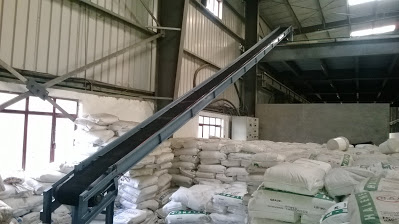
Conveyor manufacturers and warehouse operators are actively exploring. With rising labor costs and pressure to improve productivity, conveyor systems offer a practical way to optimize operations without compromising output.
Where Costs Typically Increase in Material Handling
Before improving profitability, it’s important to understand where losses occur:
- Excess manual labor
- Slow loading and unloading
- Material handling errors
- Downtime due to inefficiency
Addressing these areas can significantly improve margins.
How Conveyors Help Reduce Operational Costs
Reduced Labor Dependency
Automated movement replaces repetitive manual tasks, allowing fewer workers to handle higher volumes.
Faster Throughput
Continuous material flow increases the number of units processed per hour.
Lower Handling Errors
Standardized movement reduces product damage and handling mistakes.
Improved Energy Efficiency
Modern systems are designed to operate with optimized power consumption.
Practical Ways to Maximize ROI with Conveyors
Choose the Right Conveyor Type
Different applications require different systems.
-
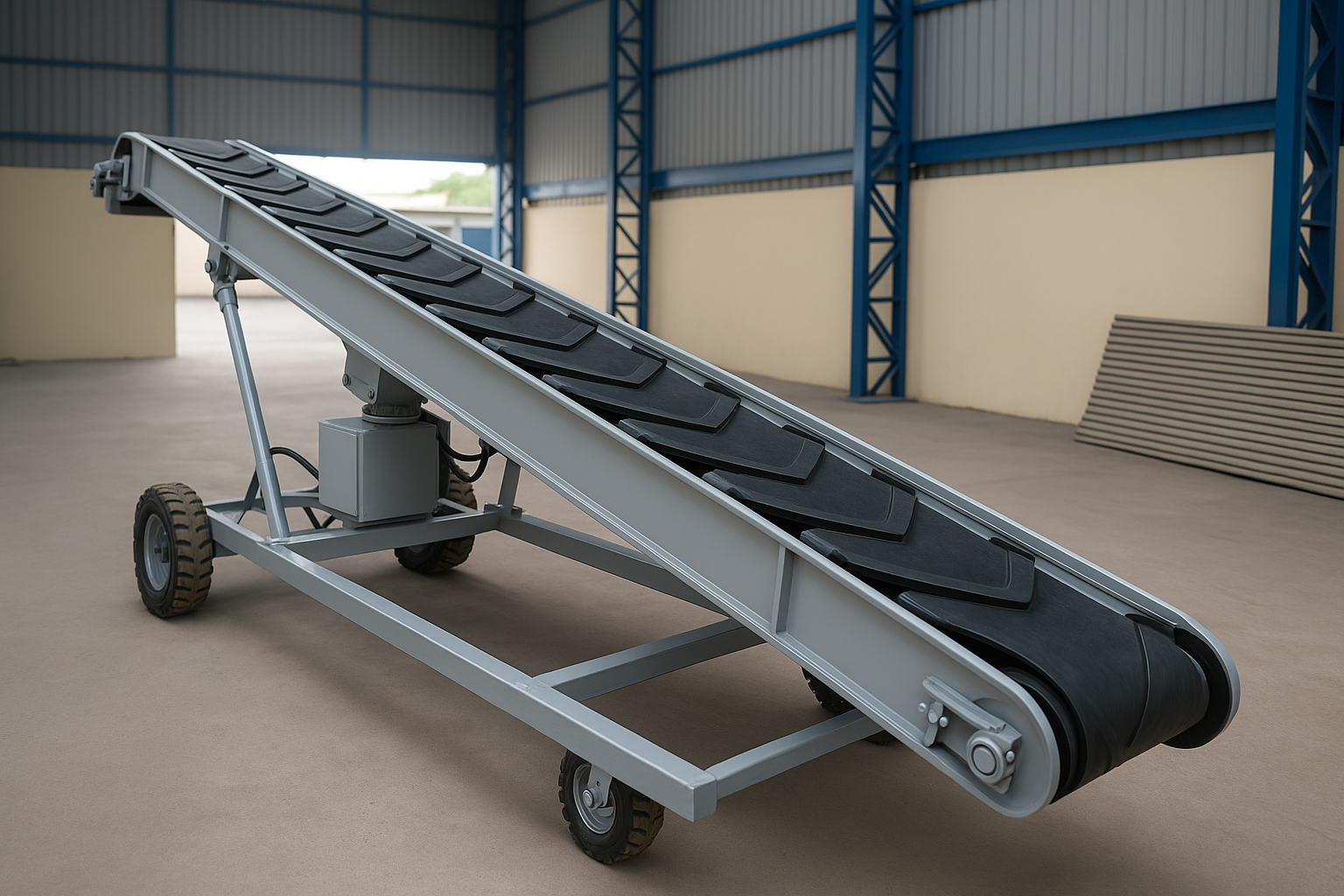
Belt conveyors for general movement
👉 https://www.neoconveyors.com/products/belt-conveyors -
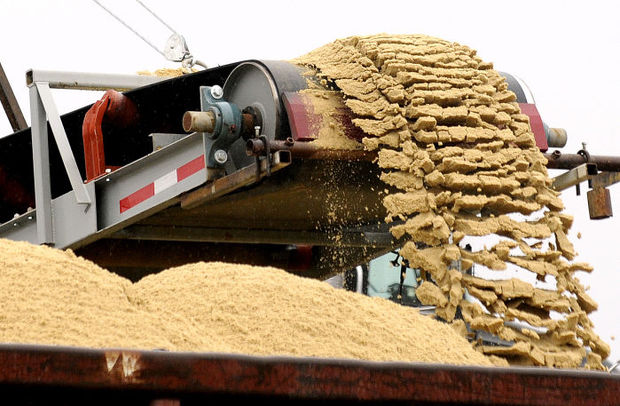
Screw conveyors for bulk materials
👉 https://www.neoconveyors.com/products/tubular-screw-conveyors -
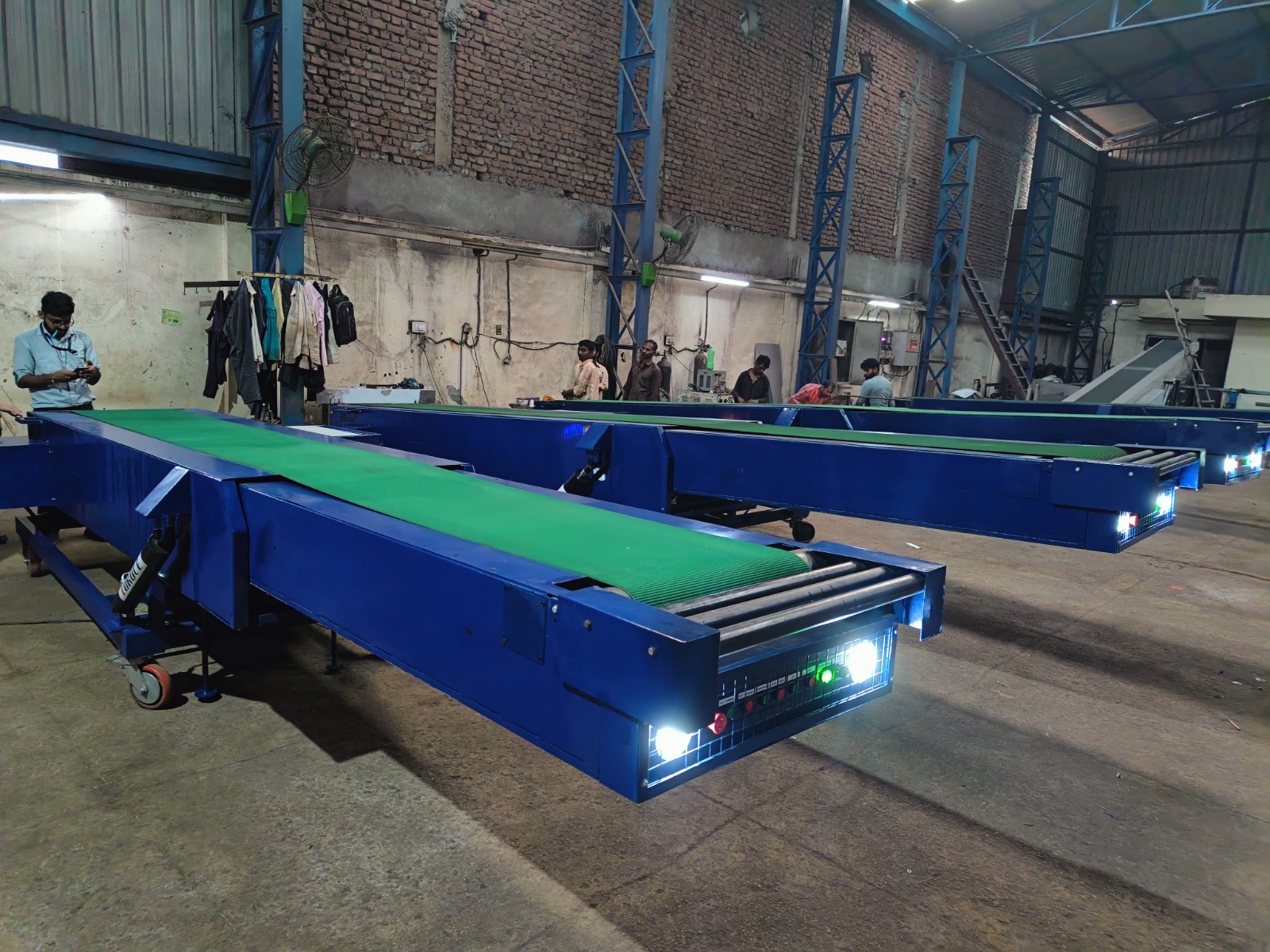
Telescopic conveyors for truck loading
👉 https://www.neoconveyors.com/products/telescopic-belt-conveyor-manufacturers-India
Optimize Loading Operations
Efficient loading reduces idle time and improves dispatch speed.
👉 Learn more:
https://www.neoconveyors.com/blogs/telescopic-belt-conveyor-loading-unloading
Maintain Your Conveyor System
Regular maintenance prevents breakdowns and extends system life.
👉 Maintenance guide:
https://www.neoconveyors.com/blogs/how-to-keep-your-conveyor-running
Plan Layout Efficiently
A well-designed layout reduces unnecessary movement and improves workflow.
Industries Benefiting from Conveyor Systems
- Warehousing and logistics
- Manufacturing units
- FMCG and packaging
- Cement and bulk handling
These industries see direct improvements in efficiency and cost control.
Key Profit-Boosting Benefits
Higher productivity
More output in less time
Reduced operational costs
Lower labor and maintenance expenses
Better resource utilization
Optimized use of manpower and equipment
Consistent performance
Reliable operations without frequent interruptions
Why Choose Neo Conveyors
At Neo Conveyors, systems are designed to deliver long-term value. Each solution is tailored to improve efficiency while keeping operating costs under control.
- Customized conveyor systems
- Durable and reliable design
- Efficient integration with existing setups
- Support across India
FAQ
How do conveyors reduce costs?
They reduce manual labor and improve efficiency, lowering operational expenses.
Can conveyors improve profit margins?
Yes, by increasing productivity and reducing downtime.
Which conveyor is best for warehouses?
Belt and telescopic conveyors are commonly used.
Do conveyors require high maintenance?
With proper care, maintenance requirements are minimal.
Conclusion
Investing in the right conveyor system is not just about automation—it’s about improving efficiency, reducing costs, and increasing profitability. With proper selection and maintenance, conveyors become a long-term asset for industrial growth.
📞 Get in Touch
🌐 www.neoconveyors.com
📞 Call / WhatsApp: 9654112235
Recent Posts