Conveyor Selection Criteria: How to Choose the Right Conveyor System for Your Industry
Choosing a conveyor is far more than selecting a machine that moves materials from one location to another. The right conveyor becomes an integral part of your production process, influencing productivity, product quality, labor efficiency, energy consumption, and long-term operating costs. A poorly selected conveyor can create bottlenecks, increase maintenance, and limit future expansion, while a properly engineered system supports smooth material flow and a better return on investment.
Whether you operate a manufacturing plant, warehouse, food processing facility, pharmaceutical unit, logistics hub, or mining operation, understanding the selection criteria helps you invest in equipment that meets today's production requirements and future growth plans.
At Neo Conveyors, every conveyor system is designed after carefully evaluating the customer's application, material characteristics, plant layout, and production goals.
Explore our complete range of conveyor solutions:
Belt Conveyors
https://www.neoconveyors.com/products/belt-conveyors
Why Conveyor Selection Matters
A conveyor operates continuously throughout the production cycle. Selecting the wrong equipment can result in:
Reduced production capacity
Higher energy consumption
Frequent breakdowns
Product damage
Increased maintenance costs
Poor workplace safety
Difficulty integrating with future automation
Conversely, the correct conveyor improves material flow, minimizes manual handling, and reduces lifecycle costs.
1. Understand the Material Being Conveyed
The material itself is the starting point for conveyor selection.
Important characteristics include:
Material Type
Bulk material
Packaged products
Cartons
Bags
Components
Pallets
Powders
Granules
Physical Properties
Size
Weight
Shape
Bulk density
Moisture content
Temperature
Abrasiveness
Fragility
Flow characteristics
For example:
Fragile bakery products require gentle belt conveyors.
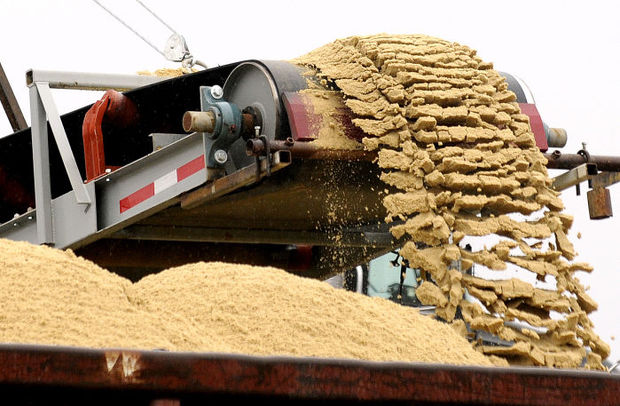
Abrasive materials such as sand or clinker need heavy-duty designs.
Powders may be better suited to screw conveyors than belt conveyors.
Understanding the material prevents premature wear and improves conveying efficiency.
2. Determine Required Capacity
The conveyor should match your production output—not just today's requirements but anticipated future demand as well.
Consider:
Tons per hour (TPH)
Units per hour
Peak production
Average production
Future expansion
An undersized conveyor becomes a production bottleneck, while an oversized system increases capital and operating costs.
3. Calculate Conveyor Length and Elevation
The travel distance directly influences conveyor design.
Evaluate:
Horizontal distance
Vertical lift
Inclination angle
Loading height
Discharge height
Available floor space
If materials need to move between different levels, an Inclined Belt Conveyor may be the most suitable option.
https://www.neoconveyors.com/products/inclined-belt-conveyor-manufacturers-india
4. Select the Right Conveyor Type
Different applications require different conveyor technologies.
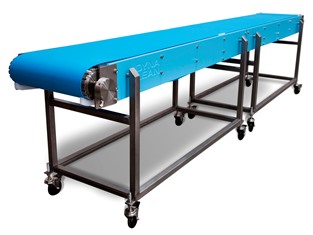
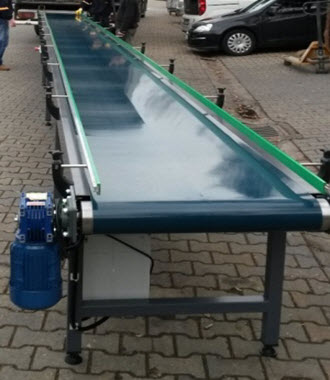
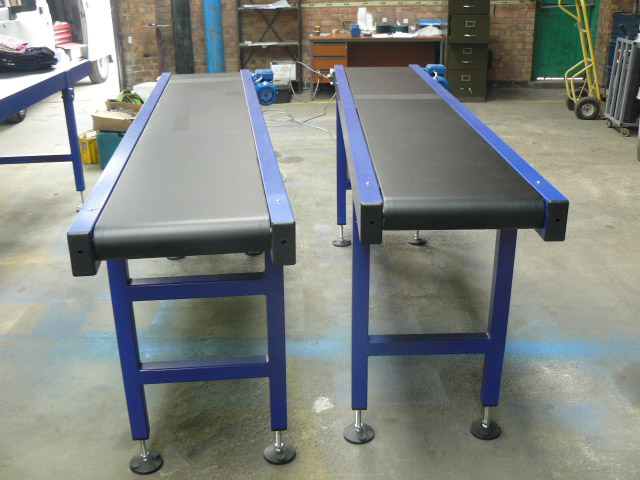
Belt Conveyors
Suitable for cartons, bags, components, packaged goods, and many bulk materials.
https://www.neoconveyors.com/products/belt-conveyors
Roller Conveyors
Ideal for rigid-bottom cartons, crates, and pallets.
Screw Conveyors
Best suited for powders, grains, cement, chemicals, and other bulk materials.
Bucket Elevators
Designed for efficient vertical transportation of bulk materials.
https://www.neoconveyors.com/products/bucket-elevator-manufacturers-india
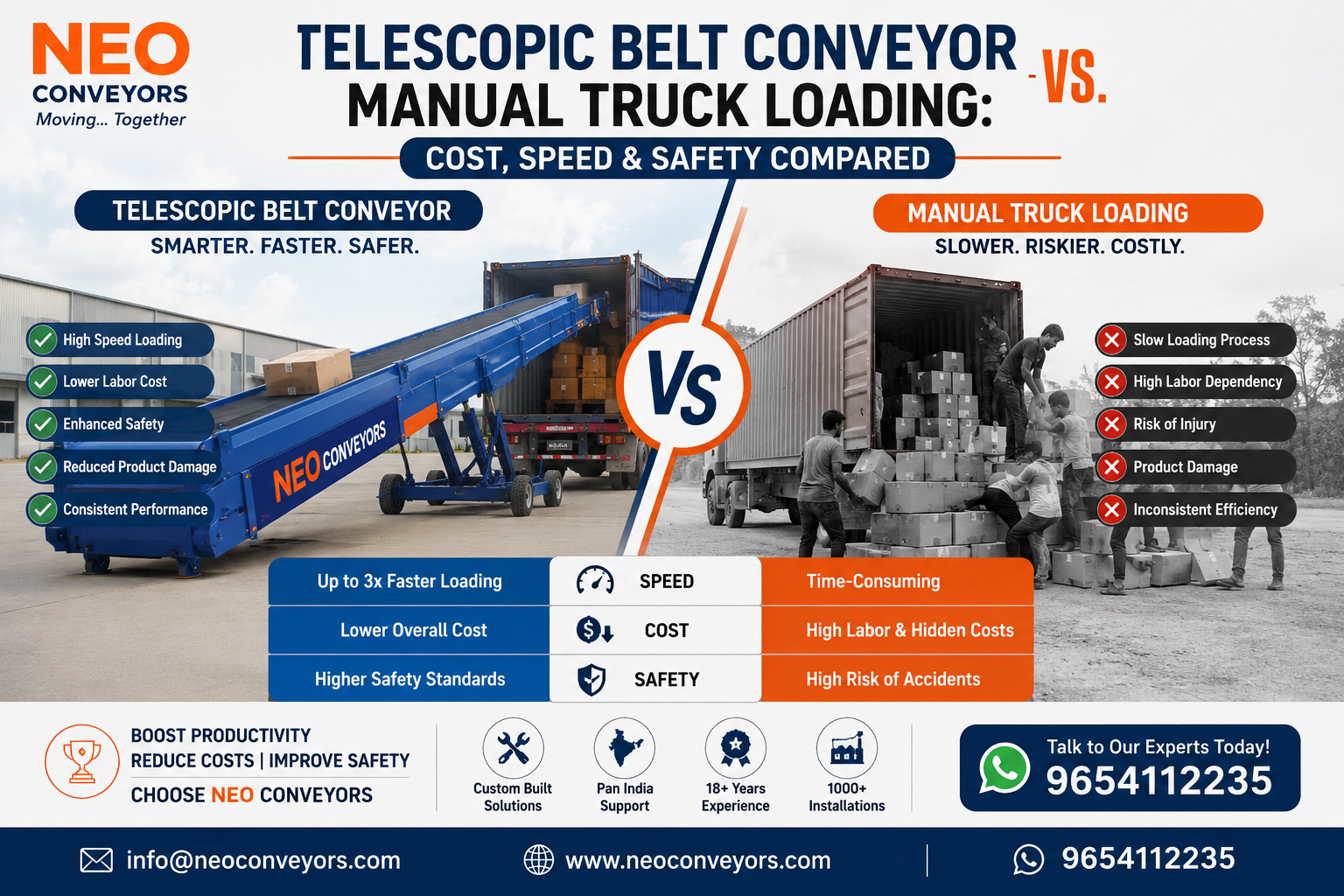
Telescopic Belt Conveyors
Ideal for truck and container loading operations.
https://www.neoconveyors.com/products/telescopic-belt-conveyor-manufacturers-India
Choosing the correct conveyor type improves operational efficiency while minimizing maintenance.
5. Evaluate the Operating Environment
Environmental conditions significantly affect conveyor performance and component life.
Consider:
Indoor or outdoor installation
Dust levels
Humidity
Water exposure
Corrosive chemicals
High temperatures
Low temperatures
Washdown requirements
Food and pharmaceutical applications often require stainless steel construction and food-grade belts, while mining operations may require abrasion-resistant components.
6. Select the Appropriate Conveyor Belt
The belt is one of the most important components of the system.
Common belt materials include:
PVC
PU
Rubber
Modular Plastic
Wire Mesh
Food-grade belts
Each offers different advantages depending on the product, environment, and operating conditions.
Read our detailed comparison:
PVC, Rubber, PU or Modular Belt — Which Conveyor Belt Is Right for Your Industry?
7. Consider Product Handling Requirements
Ask the following questions:
Is the product fragile?
Does it require accumulation?
Will products need indexing?
Is accurate positioning required?
Does the product need gentle handling?
Products such as glass bottles, electronics, bakery items, and pharmaceuticals often require specialized conveyor designs.
8. Assess Automation Requirements
Modern factories increasingly rely on automation.
Your conveyor should integrate seamlessly with:
Packaging machines
Filling machines
Robots
Palletizers
Check weighers
Barcode scanners
Vision inspection systems
PLC controls
Planning for automation at the design stage reduces future modification costs.
9. Prioritize Safety
An industrial conveyor should comply with applicable safety standards and include appropriate protective features.
Important safety components include:
Emergency stop switches
Belt tracking devices
Safety guards
Pull-cord switches
Zero-speed sensors
Overload protection
Warning signage
A safe conveyor reduces the risk of accidents and supports uninterrupted production.
10. Focus on Total Cost of Ownership
The purchase price is only one part of the investment.
Evaluate:
Energy efficiency
Maintenance costs
Spare parts availability
Equipment lifespan
Downtime risk
Ease of servicing
A high-quality conveyor with lower maintenance requirements often delivers a better return on investment than a cheaper alternative.
Common Mistakes to Avoid
Many businesses encounter avoidable problems because they:
Select a conveyor based only on price
Ignore future production growth
Underestimate material characteristics
Choose the wrong belt material
Overlook maintenance accessibility
Fail to plan for automation
Ignore operating environment
A detailed engineering evaluation before purchase helps prevent these issues.
Industries That Benefit from Proper Conveyor Selection
Well-designed conveyor systems improve productivity in a wide range of industries, including:
Manufacturing
Warehousing
Logistics
E-commerce
Food Processing
Pharmaceuticals
Cement
Mining
Agriculture
Packaging
Automotive
FMCG
Related Resources
To learn more about conveyor systems, explore these guides:
How to Choose the Right Conveyor Belt for Your Project
https://www.neoconveyors.com/blogs/how-to-choose-the-right-conveyor-belt-for-your-project
What Are the Most Common Conveyor Belt Problems?
https://www.neoconveyors.com/blogs/what-are-the-most-common-conveyor-belt-problems
Belt Conveyors: Major Uses and Applications
https://www.neoconveyors.com/blogs/belt-conveyors-major-uses-and-applications
Why Choose Neo Conveyors?
With more than 18 years of industry experience and 1,000+ conveyor installations across India, Neo Conveyors provides customized material handling solutions designed around each customer's operational requirements.
Our capabilities include:
Belt Conveyors
Inclined Belt Conveyors
Roller Conveyors
Telescopic Belt Conveyors
Screw Conveyors
Bucket Elevators
Slat Conveyors
Chain Conveyors
Inspection Conveyors
Custom Conveyor Systems
Every project is engineered to deliver reliable performance, energy efficiency, and long service life.
Frequently Asked Questions
What is the most important conveyor selection criterion?
The material being conveyed is the primary consideration because its properties determine the most suitable conveyor type, belt material, and operating speed.
How do I choose the right conveyor capacity?
Calculate your current throughput requirements, peak production, and future expansion plans before selecting the conveyor size.
Which conveyor is best for warehouse operations?
Belt conveyors, roller conveyors, and telescopic belt conveyors are commonly used in warehouses for efficient movement, sorting, and truck loading.
Why is the operating environment important?
Dust, moisture, chemicals, temperature, and hygiene requirements influence the choice of conveyor materials, components, and protective features.
Can a conveyor system be customized?
Yes. A custom-designed conveyor can be tailored to your product dimensions, production capacity, plant layout, automation requirements, and industry standards.
Conclusion
Selecting the right conveyor system is a strategic decision that affects productivity, operating costs, equipment reliability, and future scalability. By evaluating material characteristics, production capacity, plant layout, operating environment, automation needs, and lifecycle costs, businesses can invest in a conveyor system that delivers consistent performance for years to come.
At Neo Conveyors, we work closely with customers to design conveyor systems that match their exact operational requirements. Whether you need a simple belt conveyor or a fully integrated material handling solution, our engineering team can help you choose the right system for long-term efficiency and business growth.