Knife Edge Conveyor: Working Principle, Applications, Benefits & Buying Guide
Modern manufacturing and packaging lines demand smooth, precise, and uninterrupted product transfer. One common challenge is moving small, lightweight, or delicate products from one conveyor to another without them tipping, falling into gaps, or becoming damaged.
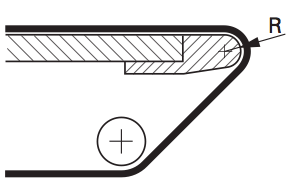
A Knife Edge Conveyor, also known as a nose bar conveyor, is specifically designed to solve this problem. Instead of using a large end roller, it features a small-radius nose bar or knife edge that creates an extremely narrow transfer gap between adjacent conveyors. This design enables smooth product transfer while maintaining stability and positioning accuracy.
Industries such as food processing, pharmaceuticals, packaging, printing, electronics, and medical device manufacturing rely on knife edge conveyors to improve efficiency, reduce product damage, and support high-speed automated production lines.
If you're looking for customized conveyor solutions, explore our Belt Conveyor Systems:
https://www.neoconveyors.com/products/belt-conveyors
What Is a Knife Edge Conveyor?
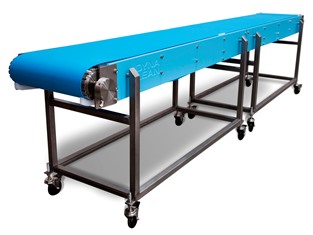
A knife edge conveyor is a specialized belt conveyor designed with a small-diameter nose bar at the discharge or transfer point. Unlike conventional conveyors that use larger end rollers, the knife edge minimizes the gap between conveyor sections, allowing very small or delicate products to transfer smoothly without falling or becoming unstable.
This design is particularly useful where product orientation and gentle handling are critical.
How Does a Knife Edge Conveyor Work?
The conveyor belt wraps around a precision-machined knife edge or nose bar at the discharge end. Because the turning radius is extremely small, products remain well supported until the moment they transfer to the next conveyor or process.
The compact transfer point helps:
- Reduce transfer gaps
- Prevent products from tipping
- Improve product positioning
- Minimize product damage
- Maintain continuous production flow
This principle is widely used in automated packaging and precision manufacturing applications.
Key Components of a Knife Edge Conveyor
Knife Edge (Nose Bar)
The most important component that creates a tight transfer radius.
Conveyor Belt
Typically made from PVC, PU, food-grade polyurethane, or other application-specific materials.
Drive Unit
Consists of a geared motor, drive pulley, and transmission system that provides smooth belt movement.
Conveyor Frame
Manufactured from powder-coated mild steel, stainless steel (SS304/SS316), or aluminum profiles depending on the operating environment.
Support Rollers
Provide belt support and maintain proper belt tension throughout the conveyor.
Major Applications of Knife Edge Conveyors
1. Food Processing Industry
Knife edge conveyors gently transfer products such as:
- Biscuits
- Cookies
- Chocolates
- Bakery products
- Snacks
- Frozen foods
- Confectionery
Food-grade belts ensure hygienic handling while reducing product breakage.
2. Packaging Industry
These conveyors improve product transfer between:
- Flow wrapping machines
- Cartoning machines
- Labeling systems
- Shrink wrapping machines
- Check weighers
- Inspection systems
The narrow transfer gap minimizes jams and improves packaging efficiency.
3. Pharmaceutical Industry
Used for transferring:
- Tablets
- Capsules
- Blister packs
- Medical devices
- Syringes
- Vials
The precise transfer helps maintain product orientation and supports automated inspection.
4. Printing Industry
Knife edge conveyors are ideal for transporting:
- Printed cartons
- Labels
- Paper sheets
- Flexible packaging
- Corrugated products
5. Electronics Manufacturing
Small electronic components require accurate positioning during assembly.
Applications include:
- PCB assembly
- Electronic inspection
- Component transfer
- Assembly lines
6. Cosmetic Industry
Ideal for handling:
- Bottles
- Tubes
- Cosmetic cartons
- Personal care products
Advantages of Knife Edge Conveyors
Compared to conventional belt conveyors, knife edge conveyors offer several important benefits:
- Extremely small transfer gap
- Smooth product transfer
- Reduced product damage
- Improved positioning accuracy
- Better product stability
- Increased production speed
- Reduced product wastage
- Easy integration with automated machines
- Hygienic design for food and pharmaceutical applications
- Low maintenance requirements
These advantages make knife edge conveyors a preferred choice wherever precision product transfer is required.
Industries That Use Knife Edge Conveyors
Knife edge conveyors are widely used in:
- Food Processing
- Bakery
- Confectionery
- Pharmaceuticals
- Medical Devices
- Printing
- Packaging
- Electronics
- Cosmetics
- FMCG Manufacturing
- Plastic Products
- Consumer Goods Manufacturing
Types of Knife Edge Conveyors
Depending on production requirements, knife edge conveyors are available in different configurations.
Horizontal Knife Edge Conveyor
Suitable for straight product transfer between production machines.
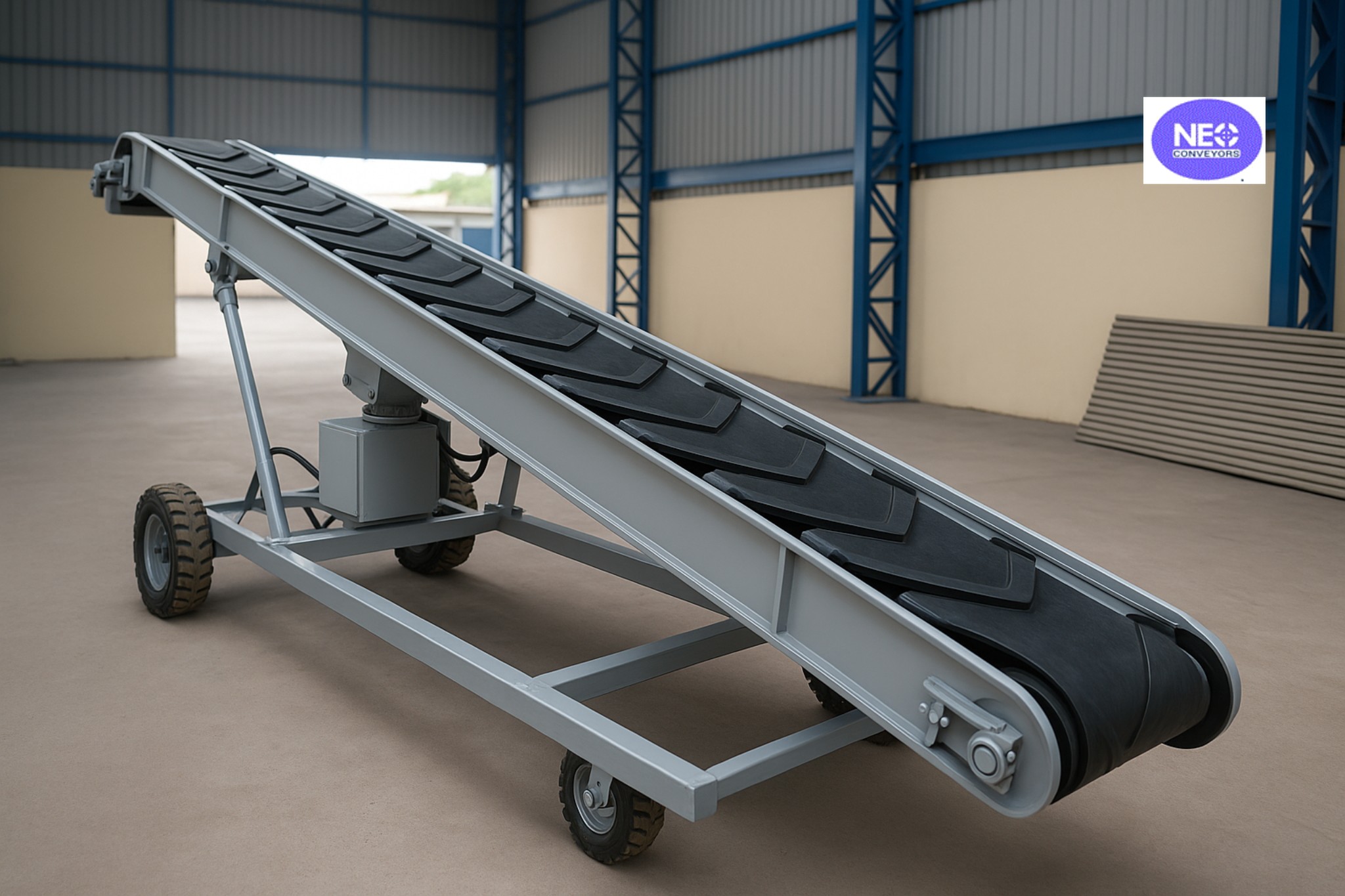
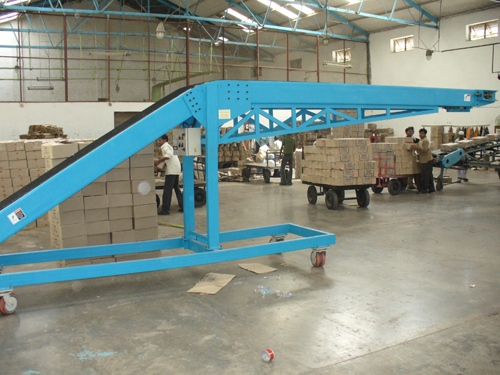
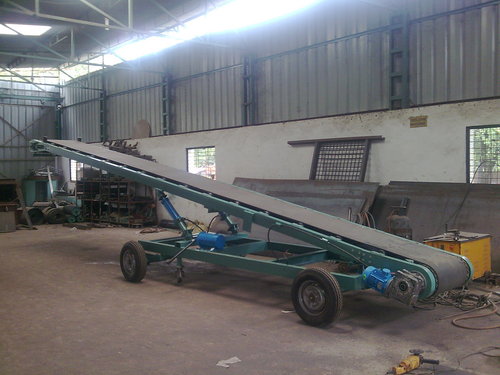
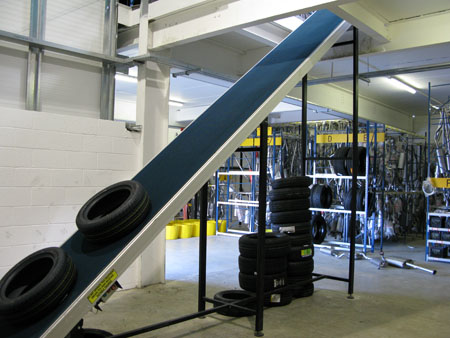
Inclined Knife Edge Conveyor
Used where products must be transferred between different elevations.
Learn more about our Inclined Belt Conveyor Systems:
https://www.neoconveyors.com/products/inclined-belt-conveyor-manufacturers-india
Food Grade Knife Edge Conveyor
Designed using stainless steel construction with FDA-approved conveyor belts for hygienic applications.
Custom Knife Edge Conveyor
Engineered according to product dimensions, transfer requirements, belt width, speed, and production layout.
Design Considerations Before Selecting a Knife Edge Conveyor
Choosing the right conveyor depends on several engineering factors:
- Product size
- Product weight
- Production speed
- Belt material
- Transfer gap requirements
- Product orientation
- Conveyor length
- Conveyor width
- Operating environment
- Hygiene requirements
- Integration with existing machinery
Selecting the correct configuration ensures reliable long-term performance.
Maintenance Tips
Routine maintenance helps maximize conveyor life and minimize downtime.
Recommended practices include:
- Inspect belt tracking regularly
- Check nose bar for wear
- Maintain proper belt tension
- Lubricate bearings as recommended
- Keep the conveyor clean
- Replace worn belts promptly
- Inspect drive components periodically
- Verify fastener tightness
Preventive maintenance significantly improves conveyor reliability.
Related Conveyor Solutions
Depending on your production process, you may also benefit from:
Horizontal Belt Conveyor
https://www.neoconveyors.com/products/horizontal-belt-conveyor
Truck Loading Conveyor
https://www.neoconveyors.com/products/loading-unloading-conveyors
Telescopic Belt Conveyor
https://www.neoconveyors.com/products/telescopic-belt-conveyor-manufacturers-India
You may also find these guides helpful:
- How to Choose the Right Conveyor Belt for Your Project
- What Are the Most Common Conveyor Belt Problems?
- PVC, Rubber, PU or Modular Belt — Which Conveyor Belt Is Right for Your Industry?
Why Choose Neo Conveyors?
With over 18 years of experience and 1,000+ successful conveyor installations, Neo Conveyors designs and manufactures customized conveyor systems for industries across India.
Our expertise includes:
- Belt Conveyors
- Knife Edge Conveyors
- Inclined Belt Conveyors
- Roller Conveyors
- Telescopic Belt Conveyors
- Truck Loading Conveyors
- Screw Conveyors
- Bucket Elevators
- Slat Conveyors
- Chain Conveyors
Every system is engineered for reliable performance, low maintenance, and seamless integration into your production line.
Frequently Asked Questions
What is a knife edge conveyor?
A knife edge conveyor is a belt conveyor with a small-radius nose bar that minimizes the transfer gap between conveyors, enabling smooth movement of small or delicate products.
What are the advantages of a knife edge conveyor?
It reduces product damage, improves transfer accuracy, minimizes product loss, and supports high-speed automated production lines.
Which industries use knife edge conveyors?
Food processing, pharmaceuticals, packaging, electronics, cosmetics, printing, and medical device manufacturing commonly use knife edge conveyors.
Can knife edge conveyors be customized?
Yes. They can be customized for belt width, length, speed, frame material, belt type, and specific production requirements.
What belt materials are available?
PVC, PU, food-grade polyurethane, silicone-coated, and other application-specific conveyor belts are commonly used depending on the industry.
Conclusion
A knife edge conveyor is an excellent solution for applications requiring precise, smooth, and reliable product transfer. By minimizing the transfer gap, it reduces product damage, improves efficiency, and enhances the performance of automated production lines.
Whether you're handling food products, pharmaceuticals, electronic components, or lightweight packaged goods, selecting the right knife edge conveyor can significantly improve productivity and reduce operational costs.
At Neo Conveyors, we design custom knife edge conveyor systems tailored to your product, production speed, and plant layout, delivering dependable performance and long service life.