Modular Belt Conveyor Backbone of Food Industry
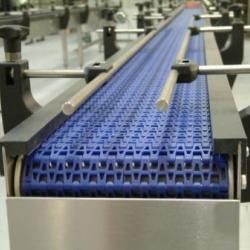
Modular Belt Conveyor
Nowadays, a great preference is being given to the Modular Belt Conveyor by various industries, processing plants, and agri-business units. The Modular Belt conveyor system is specifically designed for the product line, where high standards of cleanliness and hygiene are required. Due to the development of the food manufacturing process, good food is easily accessible. Be it, Chocolate bars ready to be packed in shiny foil wrappers, cans of freshly cut vegetables or fruits prepared to be labeled, or rows of bottles ready for bottling and filling, whether it is milk, fruit, juices, energy drinks, or alcoholic beverages, etc. The ready cupcakes get sprinkled through candy sprinklers.

Modular Belt Conveyor Systems are playing a major role and thanks go to the developments made in the field of the food manufacturing process. All this has increased the convenience level and the sophisticated customer gets satisfaction. The production is made easier and faster, thus reducing the cost of products. Development in the food processing technology has made it convenient for shoppers and given the opportunity to buy a different brand and foodstuff at constant quality and quantity, all the year-round under the same roof. The selection of food items has been made easy.
Modular Plastic Conveyor Belt Manufacturers in India
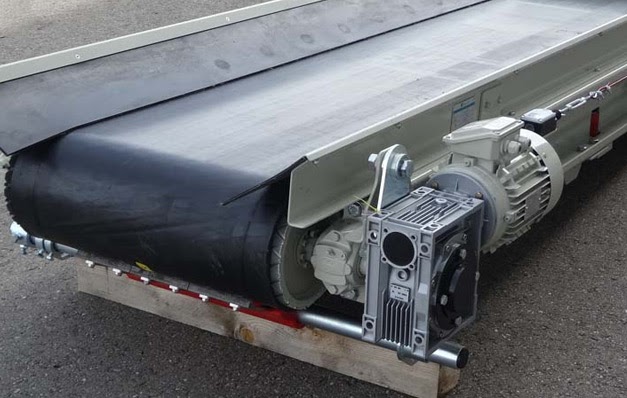
Neo Conveyors, are proving themselves, as a well-known manufacturer, masters in developing a Modular Belt Conveyor System, with its unique ideas and technologies. They are constantly enhancing the modular belt conveyors. Modular Belt Conveyors consist of a particular belt type, which is the modular part. It is made up of smaller individual parts in pieces, which are joined to fit together to form the whole unit. The individual parts serve well, the purpose of thorough cleanliness and sanitation. The maintenance is made, as it can be easily separated and each nook and corners are easily accessible, which eliminates or say minimizes contamination. Its mechanism enables proper airflow and drainage, thus maintaining superior sanitation standards.

The secure belt tracking ensures that spillage does not take place and its mechanism carries higher loads and run, due to its reverse technology ensuring more adaptable and flexible loading and discharge methods. A customized option can also be provided depending upon the requirement of the food processing unit, whether, its height, width, length, speed, etc., increasing efficiency.
The new technology facilitates and provides later modifications, integration or up-gradation, the addition of a new component or expansion of a unit, with stopping work, and also there is no need to discard the existing conveyors. Delays are avoided and demands for their goods are faithfully met. It also ensures safety. It helps in increasing productivity and making a profit. On the other hand, consumers have easy access to food items that are fresh, safe, nutritious, and easily accessible.
Neo Conveyors are one of the leading manufacturers of Modular Belt Conveyor in India, who can help expand your business and meet the growing demands of your consumers, faster and can go for more efficient production by specifically designing one for you.
Recent Posts