Conveyor idler Manufacturer in India
Belt Conveyor Components
Conveyor Idlers built for belt life, belt tracking and zero seizure
Carrying, return, impact, self-aligning, garland, transition and training idler sets — roller diameters 63.5–152 mm, SKF / NTN / NBC sealed bearings, MS and galvanised frames. Specified free from your belt data.
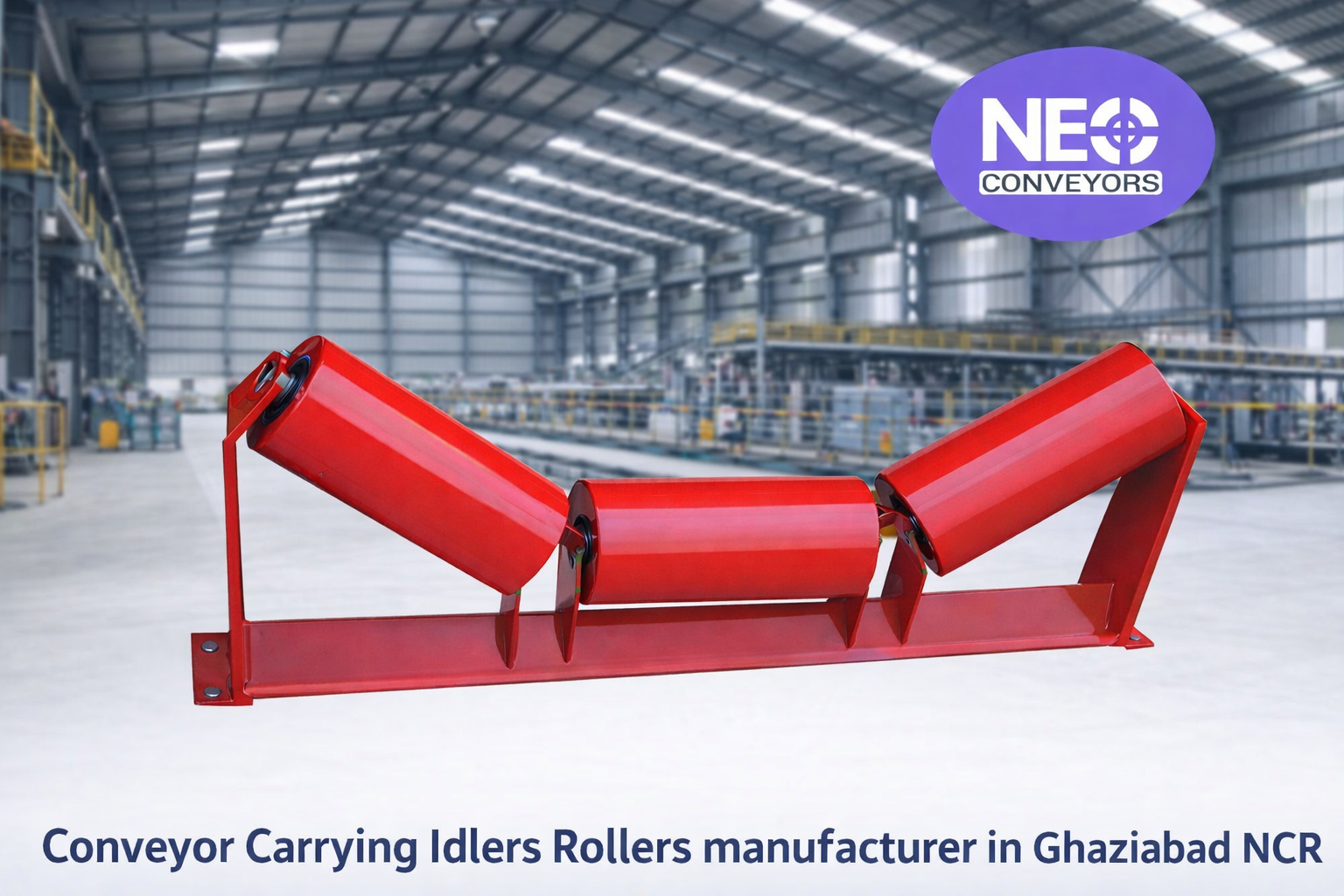
Fig. 01 — 3-Roll Troughing Carrying Idler Set / 35° Trough Angle
- Established 2007
- 18+ Years Manufacturing Experience
- 1000+ Conveyor Installations
- 7 Idler Types, All Sizes
- Free Idler Selection with Every Quote
- PAN India Supply & Installation
Product Overview
What are Conveyor Idlers?
Conveyor idlers are rotating cylindrical rollers mounted in steel frames (idler sets) that support the conveyor belt and its material load from below — on both the carrying run (top side, loaded) and the return run (underside, empty). They are the most numerous critical component in any belt conveyor, directly determining belt sag, material spillage, belt life, and total conveying cost.
A standard 500-metre belt conveyor requires 333+ carrying idler sets at 1.5 m spacing and 100+ return idlers at 3.0 m spacing — over 1,000 individual rollers. A single seized idler generates heat that burns the belt: one defective idler can damage a belt worth 10–20× the cost of the idler itself.
Correct idler specification — roller diameter matched to belt speed and load, trough angle matched to material surcharge angle, and bearing selection matched to operating environment — is the single biggest factor in long belt conveyor service life and low operating cost.
Neo Conveyors manufactures a full range of idlers and pulleys engineered for durability under continuous industrial use, supporting applications across FMCG, e-commerce, cement, food processing, and logistics.
Product Range
Types of Conveyor Idlers
Seven standard idler types — each designed for a specific position and function on the belt conveyor.
Carrying (Troughing) Idlers
Positioned on the load-carrying side of the belt, these idlers support the weight of the material being transported and help form the trough shape that keeps loose or bulk material centered on the belt.3-roll set at 20°, 30°, 35° or 45° supporting the loaded belt on the carrying run. Centre roller is horizontal; wing rollers trough the belt to contain material. Spaced 1.0–1.5 m on carrying run.
Every Carrying RunReturn Idlers
Mounted on the underside of the conveyor, return idlers guide the empty belt back to the loading end smoothly, preventing sagging and reducing unnecessary strain on the belt. Single flat rubber or steel roller supporting the empty belt underside. Rubber disc return idlers for wet or sticky material conveyors. Spaced 2.5–3.0 m on return run.
Every Return RunImpact Idlers
Installed at loading and transfer points, impact idlers absorb the shock of material dropping onto the belt, protecting both the belt and frame from damage caused by heavy or sharp-edged loads.Rubber ring rollers at belt loading points — absorb fall energy from hoppers and transfer chutes that would crack a steel roller and damage the belt carcass. Spaced 300–600 mm at loading zone.
All Loading PointsSelf-Aligning Idlers
These idlers automatically correct minor belt drift, keeping the belt centered and preventing the misalignment that leads to spillage, edge wear, or belt damage over time.Pivoting frame idler that automatically corrects belt drift by using belt edge force to steer the belt back to centre. Installed every 30–50 m or at known tracking problem points.
Belt TrackingGarland Idlers
Three or more rollers suspended in a flexible chain — conforms to uneven terrain, absorbs vibration. Used on overland mining conveyors crossing uneven ground.
Overland / MiningTransition Idlers
Intermediate trough angles (10°, 20°, 30° in sequence) between flat pulleys and troughed idlers — prevents belt edge cracking at head and tail pulley zones.
Pulley ZonesTraining Idlers
Touch roller on belt edge actuates frame pivot to correct drift — used where self-aligning idlers cannot be installed or as supplementary correction between self-aligning sets.
Drift CorrectionBelt Turnover Idlers
Gradually rotate the return belt 180° to protect the carrying surface from weather and abrasive fines on the return run. For long outdoor conveyors.
Outdoor ConveyorsWorking Principle
How Conveyor Idlers Work
Three simultaneous functions — supporting belt load, shaping the trough, and guiding the belt centrally.
Support Belt & Material Load
Three rollers share the combined belt and material weight — centre roller ~70%, each wing roller ~15%. Sealed bearings rotate freely at belt speed.
Shape Belt Into a Trough
Angled wing rollers deform the flat belt into a U-trough — containing bulk material and preventing side spillage. Trough angle sets maximum material pile height and conveyor capacity.
Control Belt Sag
Idler spacing, belt tension and combined belt + material weight determine sag between sets. Correct spacing prevents spillage at transition points and excess belt tension.
Guide Belt Centrally
Self-aligning and training idlers detect drift and pivot their frames to steer the belt back to centre. Impact idlers absorb material fall energy in rubber rings at loading points.
Technical Data
Technical Specifications
| Parameter | Standard Range / Specification | Notes |
|---|---|---|
| Roller Diameter | 63.5 / 76 / 89 / 102 / 114 / 127 / 152 mm | Selected per belt speed, load & bearing design RPM |
| Roller Face Length | 380 – 1,800 mm | Matched to belt width |
| Shell Material | ERW Steel / Rubber-Covered / HDPE | HDPE for food-grade; rubber for belt protection |
| Shell Thickness | 3.2 mm – 7.0 mm | Per material abrasiveness and load class |
| Shaft Diameter | 20 mm – 60 mm | Per roller length and load |
| Bearing Type | Deep-groove ball bearing, sealed for life | Triple lip seal standard for mining duty |
| Bearing Brands | SKF / NTN / NBC | Customer's preferred brand at order |
| Trough Angles | 20° / 30° / 35° / 45° | Matched to material angle of surcharge |
| Belt Widths | 500 / 600 / 650 / 750 / 800 / 1000 / 1200 / 1400 / 1600 / 1800 / 2000 mm | Non-standard widths on request |
| Frame Material | MS Fabricated / Hot-Dip Galvanised / Powder-Coated | Galvanised for outdoor and coastal duty |
| Carrying Idler Spacing | 0.75 m – 1.5 m | Calculated per belt width, material and tension |
| Return Idler Spacing | 2.5 m – 3.0 m | Standard across all belt widths |
Bearing Options
- SKF — Sweden. Premium sealed bearing, highest service life, widest temperature range. Standard for mining and critical plant conveyors.
- NTN — Japan. Equivalent to SKF spec. Preferred by customers with NTN maintenance contracts.
- NBC — India. Most economical for standard industrial applications. IS standard quality, widely stocked across India.
- Sealed-for-Life — Triple lip seal on mining duty. No field greasing required.
Frame Material
- MS Fabricated — For indoor conveyors or covered belt conveyors. Painted to customer colour specification.
- Hot-Dip Galvanised — For outdoor conveyors, wet environments, coastal locations. 15–20+ years corrosion resistance.
- Powder-Coated — Electrostatic powder coat on MS frame. Colour coding, moderate corrosion resistance for covered conveyors.
All Idler Types Supplied
- 3-roll carrying (20° / 30° / 35° / 45°)
- Flat return idler
- Rubber disc return idler
- Impact idler set (rubber ring)
- Self-aligning carrying & return
- Garland (3-roll and 5-roll)
- Transition (10° / 20°)
- Training idler
- Belt turnover idler
Where They Run
Applications of Conveyor Idlers
Specified across every major Indian bulk material handling industry.
Mining Industry
Iron ore, coal, copper ore, limestone. Heavy-duty 89–152 mm rollers, forged bearing housings, double-sealed bearings, galvanised or epoxy frames. 35°–45° trough for maximum capacity.
Cement Plants
Raw material, clinker and coal handling conveyors. Rubber disc return idlers for fines build-up prevention. Impact idlers at crusher discharge. 30°–35° standard trough angle.
Thermal Power Plants
Coal handling plant (CHP) conveyors — 76–89 mm rollers, 35° trough, rubber disc return for coal fines. Self-aligning idlers on outdoor gallery conveyors exposed to wind drift.
Steel Plants
Iron ore, coke and sinter conveyors. Maximum roller diameter and shell thickness for bulk density 2.4–2.7 t/m³. High-temperature idlers near hot zones. Stainless frames for coastal sites.
Ports & Terminals
Ship loader and unloader conveyors at coal, grain and fertilizer terminals. Galvanised frames and stainless shaft caps for salt-air environment. Self-aligning idlers on boom conveyors.
Grain & Food Handling
Wheat, maize, soybean — HDPE roller shells (food-safe, non-contaminating), stainless shaft ends, NSF-approved grease for food processing conveyors where roller contact with product is possible.
Buying Guide
How to Select the Right Conveyor Idlers
Four parameters our engineers use to specify the correct idler type, roller diameter, trough angle, bearing and frame finish.
Belt Width & Speed
500–800 mm belt → 63.5–76 mm roller. 800–1200 mm → 76–89 mm. 1200–1600 mm → 89–114 mm. 1600–2000 mm → 114–152 mm. High speed (>3.5 m/s) → larger diameter for lower RPM.
Material Properties
Angle of surcharge sets trough angle. Bulk density sets load per idler. Max lump size determines impact idler spacing. Abrasive material → thicker shell, larger bearing. Sticky material → rubber disc return idlers.
Trough Angle
20° — stiff belts, large lump. 30° — standard, most applications. 35° — higher capacity, flexible belt. 45° — maximum capacity mining. Matched to material angle of surcharge.
Operating Environment
Covered indoor → MS painted frame. Outdoor exposed → hot-dip galvanised. Coastal / marine → galvanised + SS shaft ends. Very dusty → triple lip sealed bearings. Food / pharma → HDPE shell, NSF grease.
Comparison
Conveyor Idlers vs Conveyor Rollers
The terms are often confused. In industrial conveyor engineering they refer to fundamentally different components.
| Feature | Conveyor Idlers | Conveyor Rollers |
|---|---|---|
| Used On | Belt conveyors — below the belt | Roller conveyors — products roll on top |
| Bulk Material Handling | Yes — coal, ore, cement, grain | No — discrete products only |
| Belt Support | Yes — primary function | No — no belt present |
| Trough Angle | 20° / 30° / 35° / 45° | Flat — no troughing |
| Mining Applications | Yes — overland, pit, underground | Not applicable |
| Impact Absorption | Rubber ring impact idlers | Not required |
| Belt Tracking | Self-aligning & training idlers | Not applicable |
Field Record
Recent Conveyor Idler Installations
Four recent projects showing idler specification, problems solved and service life results.
Cement Plant — Limestone to Raw Mill
Previous idlers failing at 8–10 months due to single-lip seal inadequate for dusty environment. Replaced with 89 mm rollers with triple-lip SKF bearings and galvanised frames for outdoor section.
- 18-month inspection: bearings within rated condition — expected 36+ months service life
- 3× service life improvement vs previous specification
- Zero belt damage events from seized idlers in 18 months
Coal Handling Plant — Crusher Discharge Impact Idlers
Power plant CHP had belt carcass damage at crusher discharge — steel return rollers transmitting impact from falling coal (lump up to 150 mm). Replaced with 102 mm rubber disc impact idlers at 300 mm spacing.
- Zero belt carcass damage events in 20 months post-installation
- Belt splice cracking: zero vs 3 events in previous 20 months
- Rubber rings at 20-month inspection: 35% wear, estimated 24+ months total life
Limestone Conveyor — Outdoor Belt Drift
Coastal fertilizer plant — 600 m outdoor limestone conveyor with chronic belt drift 50–80 mm off-centre at three locations, damaging belt edges and spilling material. Self-aligning idlers installed at problem points and every 50 m preventively.
- Belt drift eliminated at all three problem locations within 2 shifts
- Belt edge damage: zero new events in 16 months
- Limestone spillage reduced 95% — housekeeping hours significantly reduced
Power Plant — Coal Fines on Return Run
Flat steel return rollers accumulating wet coal fines in 2–3 days, causing eccentricity, vibration and belt damage. Replaced with rubber disc return idlers — rubber discs shed coal fines and prevent adhesion at each rotation.
- Coal fines build-up eliminated — rubber discs self-clean continuously
- Return idler replacement interval extended from 3 months to 18+ months
- Belt vibration from eccentric rollers: zero occurrences in 18 months
Why Neo Conveyors
Why Choose Neo Conveyors?
Correct Specification — Since 2007
Roller diameter, shell thickness, bearing size and frame finish calculated from your belt specification — not a standard idler applied regardless of duty.
1,000+ Conveyor Installations
18+ years of belt conveyor and idler supply across mining, cement, power, steel, ports and food industries — as original supply and as replacement.
SKF / NTN / NBC — Customer Choice
Customer specifies preferred bearing brand at order. All bearings are sealed for life with factory-filled grease. No substitution without customer approval.
All 7 Types — Custom Sizes
Carrying, return, impact, self-aligning, garland, transition and training idlers — manufactured to custom belt width, roller diameter and trough angle. Non-standard sizes in 3–5 weeks.
PAN India — Fast Delivery
Standard idler sets dispatched within 3–7 working days from Ghaziabad. Emergency replacement supply for conveyor breakdown situations.
GA Drawing with Every Order
Assembly drawing with roller dimensions, shaft diameter, bearing size, trough angle, frame dimensions and fixing centres — for maintenance documentation and reordering.
Frequently Asked Questions
FAQs
What are conveyor idlers?
Conveyor idlers are rotating cylindrical rollers mounted in steel frames that support the conveyor belt and its material load from below — on both the carrying run and the return run. They are the most numerous and critical components in a belt conveyor, determining belt sag, material containment, belt tracking and operating cost. A standard belt conveyor requires one carrying idler set every 1.0–1.5 m on the carrying run and one return idler every 2.5–3.0 m on the return run.
What are the different types of conveyor idlers?
Seven main types: (1) Carrying (troughing) idlers — 3-roll set at 20°/30°/35°/45° supporting loaded belt. (2) Return idlers — flat or rubber disc roller supporting empty belt underside. (3) Impact idlers — rubber ring rollers at material loading points. (4) Self-aligning idlers — pivoting frame automatically corrects belt drift. (5) Garland idlers — flexible suspended roller chain for overland and mining conveyors. (6) Transition idlers — gradually change trough angle at head and tail pulleys. (7) Training idlers — touch roller on belt edge corrects drift via frame pivot.
How do I choose the correct conveyor idler?
Six parameters determine correct specification: belt width sets roller face length; belt speed determines roller diameter (higher speed = larger diameter = lower RPM); material bulk density and lump size determines load per idler and impact idler requirement; idler spacing determines load per set; trough angle is matched to material angle of surcharge; operating environment determines frame material and bearing seal. Our engineers provide a free complete idler selection based on your belt specification.
What bearing brands do you use?
Neo Conveyors idlers are supplied with SKF (Sweden), NTN (Japan) or NBC (India) sealed deep-groove ball bearings — customer's preferred brand at order. All bearings are sealed for life with factory-filled industrial grease. Triple-lip seals are standard for mining duty and highly dusty environments. No bearing brand is substituted without customer approval.
What is the life expectancy of a conveyor idler?
Correctly specified idlers in standard industrial applications (cement, limestone, grain) achieve 40,000–60,000 hours. Mining applications with abrasive material (iron ore, coal fines) typically achieve 20,000–40,000 hours. Impact idlers at loading points achieve 15,000–30,000 hours. The most common causes of early failure are incorrect bearing specification for dust level, incorrect roller diameter for belt speed, and seized idlers from contaminated grease.
Do you manufacture custom idler specifications?
Yes — Neo Conveyors manufactures non-standard roller diameters, non-standard face lengths, non-standard trough angles, stainless steel shells for corrosive environments, HDPE shells for food-grade applications, rubber-covered shells, and special bearing sizes for high-speed or extreme-load requirements. Provide your belt width, roller diameter, face length, trough angle, bearing size and shell specification for a custom price and lead time.
Do you supply replacement idlers for existing conveyors?
Yes — Neo Conveyors supplies replacement idler sets for belt conveyors from any manufacturer. Provide your existing idler's roller diameter, face length, shaft diameter, trough angle, bearing size and frame bolt pattern and we supply exact dimensional replacements. Emergency replacement idlers for conveyor breakdown situations — contact us at +91-9654112235 for lead time on your specific requirement.
What is the price of conveyor idlers in India?
Price depends on roller diameter (63.5–152 mm), face length (matched to belt width), shell thickness, bearing brand (NBC / NTN / SKF), seal type (standard / triple-lip), frame material (MS / galvanised / powder-coated) and idler type. Contact Neo Conveyors at +91-9654112235 for a no-obligation quotation based on your belt specification.
Supply Coverage
PAN India Supply Locations
North India
Ghaziabad (HQ) · Noida · Greater Noida · Lucknow · Kanpur · Agra · Meerut · Delhi NCR · Gurugram · Faridabad · Manesar · Bhiwadi · Panipat · Ambala · Sonipat · Haridwar · Roorkee · Rudrapur · Baddi · Solan
West India
Ahmedabad · Surat · Vadodara · Rajkot · Gandhinagar · Bharuch · Vapi · Mundra Port · Jaipur · Jodhpur · Udaipur · Kota · Ajmer · Alwar · Chittorgarh · Mumbai · Pune · Nagpur · Nashik · Thane
Central & East India
Indore · Bhopal · Jabalpur · Pithampur · Raipur · Bhilai · Korba · Bilaspur · Kolkata · Howrah · Durgapur · Bhubaneswar · Paradip Port · Patna · Ranchi · Jamshedpur · Bokaro
South India & International
Hyderabad · Chennai · Bangalore · Coimbatore · Kochi · Visakhapatnam · Hosur · Mysuru · Tuticorin Port · UAE (Dubai / Abu Dhabi) · Bangladesh · Nepal · Sri Lanka · Africa
Related Products
Related Conveyor Products
Visit / Contact
Our Manufacturing Facility
Neo Conveyors Pvt. Ltd.
- Address
- G-414, UPSIDC Phase-II, Masoori Gulawati Road, Industrial Area, Ghaziabad, Uttar Pradesh, India
- Phone
- +91-9654112235
- sales@neoconveyors.com
- Chat on WhatsApp
- Service Area
- PAN India — manufacturing, supply & on-site installation
- Working Hours
- Mon – Sat, 9:00 AM – 6:30 PM IST
Free Idler Selection with Every Quotation
Share your belt width, belt speed, material bulk density, trough angle and environment — our engineers calculate roller diameter, shell thickness, bearing size and frame finish. Drawing included at no charge.
Send Belt Specifications