Different Types of Bucket Elevator Discharge Methods Explained for Efficient Material Handling
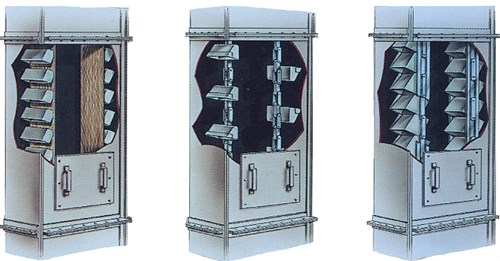
Different types of bucket elevator discharge methods explained for efficient material handling—understanding how materials are discharged from a bucket elevator is critical for system efficiency, energy use, and product safety. Engineering studies show that discharge behavior depends on factors like speed, centrifugal force, bucket design, and material properties, which directly influence flow rate and efficiency.
Why Discharge Method Matters in Bucket Elevators
The discharge mechanism determines how efficiently material exits the bucket. A poor discharge method can lead to:
- Material carryback or spillage
- Increased power consumption
- Reduced throughput
- Wear and tear of components
Choosing the right discharge type ensures smooth and controlled material flow.
Main Types of Bucket Elevator Discharge Methods
Centrifugal Discharge
This is the most commonly used method for free-flowing materials.
- Operates at high speed
- Uses centrifugal force to “throw” material out
- Suitable for grains, powders, and dry bulk materials
Scientific principle: material is discharged when centrifugal force overcomes gravity and friction, allowing particles to leave the bucket at a specific angle.
👉 Best for high-capacity operations
Continuous (Gravity) Discharge
In this method, material flows out gently due to gravity.
- Operates at lower speed
- Buckets are closely spaced
- Material slides into the discharge chute
Continuous systems are ideal for fragile or abrasive materials, as they reduce damage and wear.
👉 Best for delicate and sticky materials
Positive Discharge
This is a specialized method used for sensitive materials.
- Buckets are mechanically inverted for discharge
- Ensures complete emptying
- Operates at slow speed
Positive discharge systems are used where precision and minimal product damage are critical.
👉 Best for high-value or fragile products
Scientific Factors Affecting Discharge Efficiency
Research shows that discharge efficiency depends on:
- Bucket speed – affects centrifugal force
- Angle of discharge – determines when material leaves the bucket
- Material properties – density, moisture, and friction
- Bucket design – shape and size influence flow
For example, studies indicate that discharge begins only when velocity reaches a threshold; below that, material may not exit properly.
Choosing the Right Discharge Type
Selecting the correct discharge method depends on:
- Material type (free-flowing vs sticky)
- Required capacity
- Sensitivity of material
- Operating speed
👉 Free-flowing → Centrifugal
👉 Fragile → Continuous
👉 Sensitive → Positive
Integration with Conveyor Systems
For complete material handling efficiency, bucket elevators are often combined with:
👉 Screw Conveyors (Bulk Material Handling)
https://www.neoconveyors.com/products/tubular-screw-conveyors
👉 Belt Conveyors (Horizontal Transfer)
https://www.neoconveyors.com/products/belt-conveyors
👉 Related Blog: Conveyor Maintenance Tips
https://www.neoconveyors.com/blogs/how-to-keep-your-conveyor-running
Why Choose Neo Conveyors
At Neo Conveyors, systems are designed with optimized discharge mechanisms to ensure:
- Maximum efficiency
- Minimal material loss
- Long equipment life
- Smooth industrial operation
FAQ
What are the main discharge types in bucket elevators?
Centrifugal, continuous (gravity), and positive discharge.
Which discharge type is most efficient?
It depends on material—centrifugal for speed, continuous for gentle handling.
Why does improper discharge occur?
Due to incorrect speed, bucket design, or material properties.
Can discharge efficiency be improved?
Yes, by optimizing speed, angle, and system design.
Conclusion
Understanding different bucket elevator discharge methods is essential for efficient material handling. By selecting the right discharge system based on material and application, industries can improve productivity, reduce losses, and ensure smooth operations.
📞 Get in Touch
🌐 www.neoconveyors.com
📞 Call / WhatsApp: 9654112235